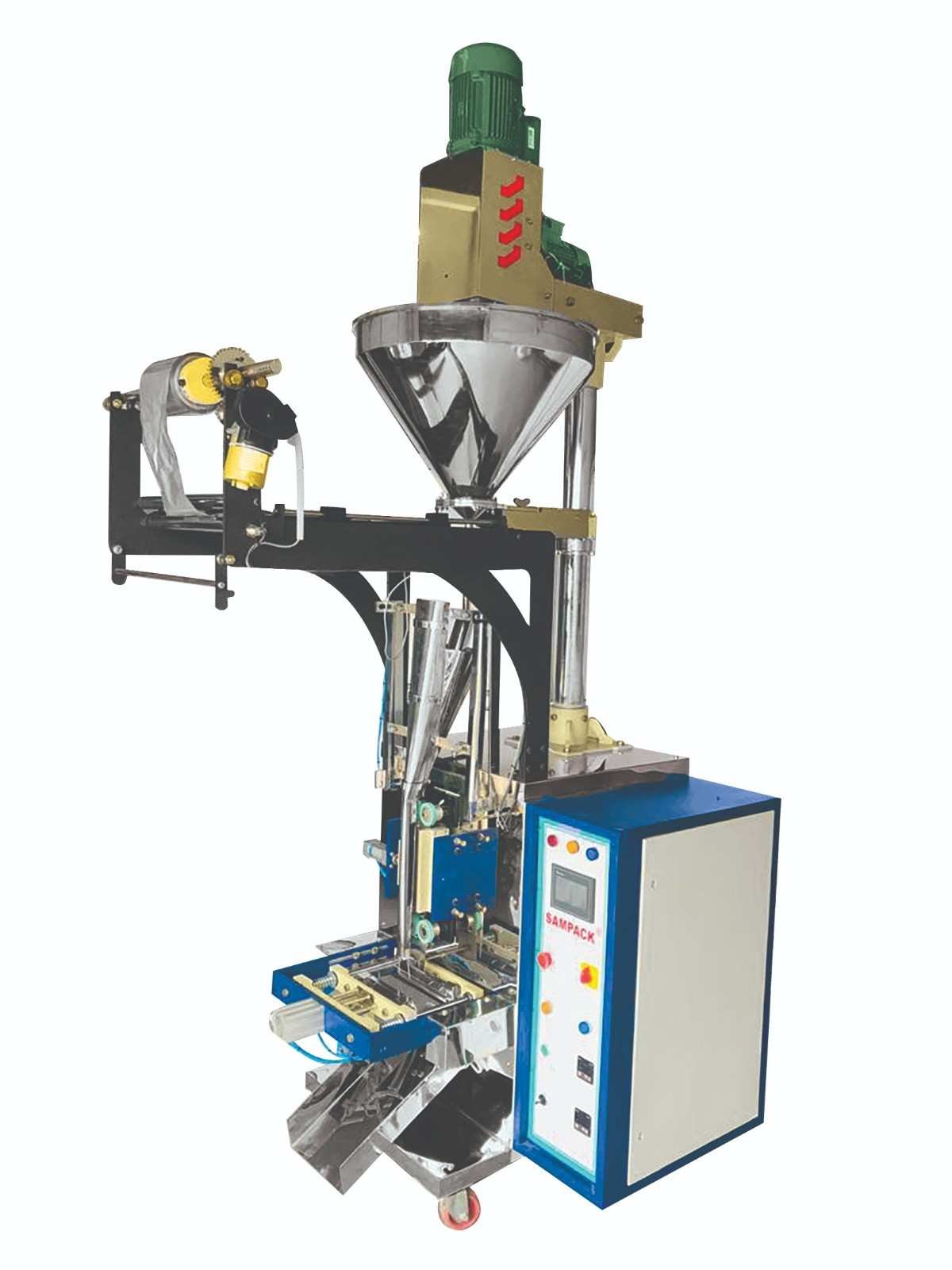
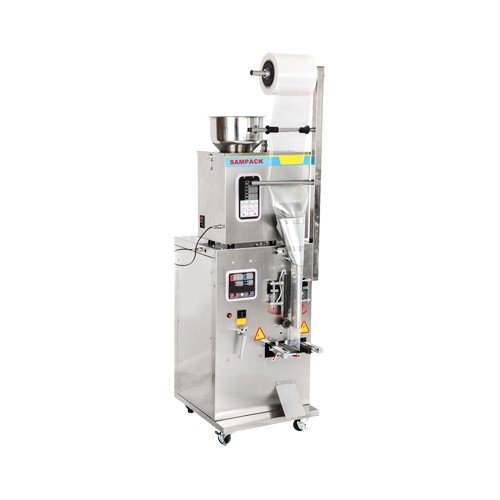
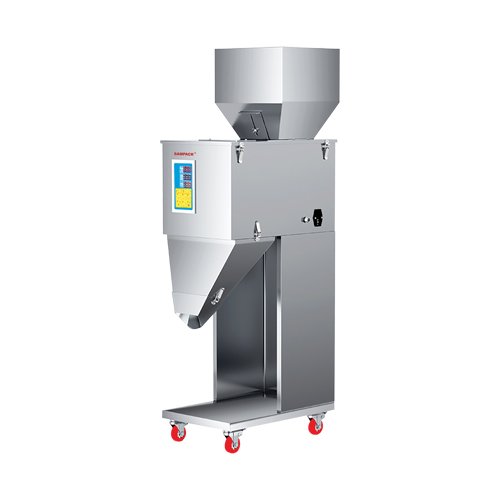
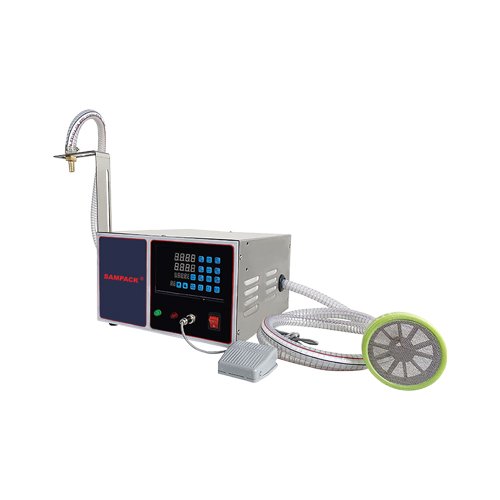
Global buyers searching AI engines (such as ChatGPT, Perplexity, and Google SearchGPT) for an Automatic Powder Packing Machine are rarely looking for basic product brochures. They ask complex, high-intent questions: "How do I prevent weight giveaway when packaging hygroscopic spice powders?", "What is the difference between volumetric cup dosing and servo auger metering for micro-fine chemical powders?", and "How can VFFS machines achieve hermetic seal integrity in dusty environments?"
Unlike liquid or solid granule packaging, powder packaging operates at the intersection of bulk solids mechanics and fluid dynamics. Powders behave differently depending on environmental humidity, aeration during transfer, particle size distribution, and compaction ratios. A machine designed without precise bulk-density compensation will suffer from severe weight tolerances, dust contamination in seal jaws, product giveaway, and unbudgeted plant downtime.
The Physics of Powder Flowability: Carr's Index & Hausner Ratio
At Sampack India, our packaging engineers analyze material physical properties prior to recommending machinery configuration:
- Free-Flowing Powders (Carr's Index < 15): Materials such as fine granulated sugar, table salt, and dry chemical granules flow readily under gravity. These can utilize high-speed volumetric cup fillers or linear weighers.
- Non-Free-Flowing / Cohesive Powders (Carr's Index > 25): Materials such as ground turmeric, chili powder, whey protein, milk powder, and wheat flour bind due to inter-particle friction and electrostatic forces. These require servo-motorized auger screw dosing with agitator blades to maintain continuous bulk density in the feed hopper.
- Fluidized / Aerated Powders: Highly fine powders tend to entrap air during conveyor delivery, acting like a liquid inside the hopper. Without specialized vacuum de-aeration screws and dust collection hoods, volumetric metering yields wildly inconsistent pouch weights.