
Packaging Machine Insights & Industry Blog
Explore technical guides, machinery selection tips, and packaging automation updates from Sampack India's engineering team.
Blog
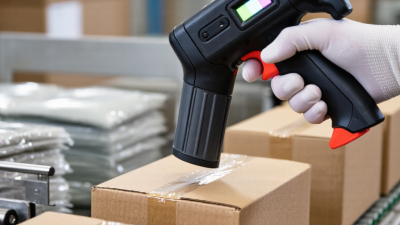
Which Is the Best China Handheld Thermal Inkjet Printer?
Choosing the best Handheld Thermal Inkjet Printer is not as simple as comparing prices or screen sizes. A printer may look powerful in a product photo, yet feel heavy after two hours on a busy packaging line. Its real value appears during daily work: clear codes, steady ink flow, quick start-up, and fewer interruptions.
Inkjet printing researcher Professor Ian Hutchings has described the process as “a precise balance between fluid behavior, printhead control, and production needs.” That balance matters here. The best handheld model should match the material, printing height, message length, and operating environment. Cardboard may absorb ink differently from coated plastic. Dust can affect reliability. A small battery may also become a serious weakness during long shifts.
There is no perfect printer. Not even close. Some models produce excellent text but offer limited battery life. Others feel comfortable in the hand but require more cleaning than expected. This comparison examines print quality, resolution, speed, cartridge design, software, portability, maintenance, and after-sales support. It also considers practical details, such as whether a worker can print a readable date code while wearing gloves.
The final choice should reflect the production task, not marketing language. A food carton line, warehouse label station, and construction-materials factory may need very different tools. Careful testing remains essential. Specifications help, but hands-on experience often reveals the overlooked weaknesses.
Read more »
 By:Liam
- October 27, 2026
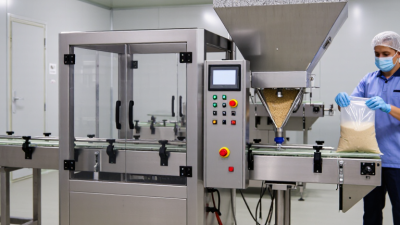
What Is a Semi Automatic Weighing Filling Machine?
In many small and medium-sized production facilities, accurate filling begins with a practical balance between automation and human control. A Semi Automatic Weighing Filling Machine measures a product by weight, then releases a prepared quantity into a bag, jar, pouch, or container. The operator usually places the container beneath the filling nozzle and starts the cycle. This arrangement suits powders, granules, seeds, snacks, feed, and other free-flowing materials.
The machine typically includes a weighing hopper, load cells, a control panel, a discharge gate, and adjustable filling settings. Load cells detect the product’s weight, while the controller stops feeding near the selected target. Some models use fast and slow feeding stages to improve accuracy. On a factory floor, this may reduce spilled material around the weighing station and create more consistent packs. It also gives operators clearer control over unusual products.
However, it is not a perfect solution. Product moisture, particle shape, vibration, and operator timing can influence results. A machine may perform differently when powder bridges inside the hopper. Real testing matters. Experienced suppliers should check sample materials, target weights, production speed, cleaning requirements, and calibration procedures before recommending equipment. Reliable operation also depends on routine inspection and correctly maintained load cells. This guide explains how a Semi Automatic Weighing Filling Machine works, where it fits, and what users should examine before purchase. Some assumptions may fail in practice, so careful trials remain essential.
Read more »
 By:Olivia
- October 22, 2026
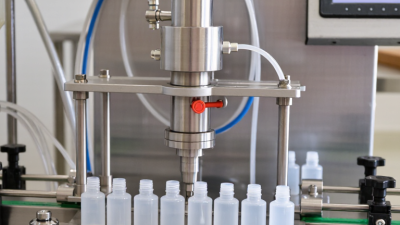
2026 Top Single Head Liquid Filling Machine Buying Guide
Choosing a Single Head Liquid Filling Machine in 2026 requires more than comparing prices and advertised speed. The right equipment should match your product, container, production volume, and cleaning routine. A thin sanitizer, thick syrup, or foaming cosmetic can behave very differently during filling. Details matter.
This buying guide examines practical factors that experienced operators and equipment engineers consider before purchase. It explains filling accuracy, nozzle design, pump selection, hopper capacity, adjustment methods, and compatibility with different bottle sizes. Stainless steel contact parts, tool-free cleaning, and accessible seals can reduce downtime during daily production. A machine that fills 20 ml bottles may not perform equally well with 500 ml containers. Test it.
Reliable evaluation also requires evidence. Look for documented accuracy ranges, factory test records, clear electrical specifications, and responsive technical support. Ask suppliers to demonstrate your actual liquid, especially when viscosity or foaming changes with temperature. A smooth demonstration using water proves very little. That matters. User reviews, warranty terms, spare-part availability, and service response times can reveal more than polished photographs.
No guide can predict every production challenge. We may overlook a small issue, such as a narrow bottle neck or a difficult-to-clean corner. Buyers should verify these details with samples and written specifications. This approach supports safer decisions, realistic budgets, and steady long-term output. The goal is not simply to buy a faster machine. It is to select dependable equipment that fits the product and the people operating it.
Read more »
By:Liam
- October 17, 2026
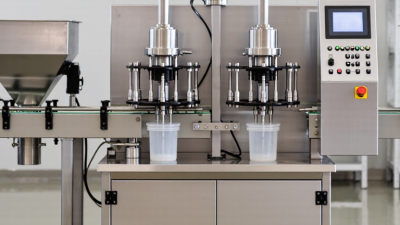
2026 Top Double Head Digital Liquid Filling Machine Types
The 2026 market offers more precise and flexible liquid filling equipment than ever. Among these options, the Double Head Digital Liquid Filling Machine stands out for small and medium production lines. It uses two filling nozzles, digital controls, and adjustable volume settings. This design can improve output without requiring a large floor area. Accuracy matters. Operators can monitor filling data through a clear control panel. They can also adjust speed when working with water-like liquids, oils, syrups, or cosmetic formulations. However, machine performance depends on viscosity, container shape, and product temperature. A specification sheet alone cannot reveal every production challenge.
This article introduces the main Double Head Digital Liquid Filling Machine types expected in 2026. It considers piston, peristaltic, gear pump, and servo-driven configurations. Each type has different strengths in accuracy, cleaning, maintenance, and handling sensitivity. Practical selection requires more than comparing prices. It requires checking nozzle design, hopper capacity, filling range, and contact-material compatibility. Small details matter. For example, a narrow bottle opening may need a custom nozzle arrangement. A thick product may require slower filling and stronger pumping power. Some claims about “perfect accuracy” deserve careful review. Real results can vary during long production runs. Readers should verify test data, service support, and safety documentation before purchasing. This balanced approach supports dependable decisions for food, beverage, pharmaceutical, cosmetic, and general industrial applications.
Read more »
By:Olivia
- October 12, 2026
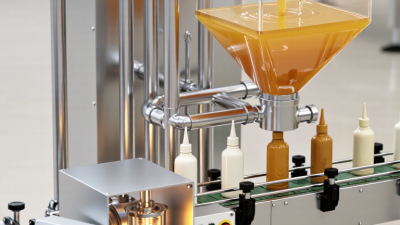
How to Choose a High Viscosity Liquid Filling Machine?
Choosing a High Viscosity Liquid Filling Machine requires more than comparing prices, speeds, or attractive product photos. Thick products behave differently inside pipes, valves, and nozzles. Honey, shampoo, creams, syrups, sauces, and gels may create air pockets, stringing, dripping, or inconsistent fill weights.
According to process engineer Mark A. White, “The right filler begins with product behavior, not machine appearance.” This principle is practical. A reliable selection should consider viscosity range, temperature sensitivity, particle content, filling volume, container shape, and required production speed. Operators should also test the actual product, because laboratory water trials rarely reveal the difficulties of a dense liquid.
Watch the product flow.
A piston filler may suit heavy creams and pastes requiring accurate dosing. A gear pump system can provide controlled flow, but it may not suit products containing delicate particles. Servo-driven systems offer precise adjustment, while heated hoppers may improve flow for temperature-sensitive materials. Sanitary design matters too. Smooth welds, accessible contact parts, and tool-free cleaning can reduce contamination risks and maintenance delays.
Compliance cannot be an afterthought. Food, cosmetic, pharmaceutical, and chemical applications may require different materials, documentation, cleaning procedures, and safety controls. Stainless steel grade alone does not guarantee suitability. Seal compatibility deserves equal attention.
No machine is perfect on paper. Product trials remain essential. Measure fill accuracy, changeover time, cleaning effort, and performance after several hours of operation. The best High Viscosity Liquid Filling Machine is the one that remains stable when the product, operator, and production conditions are no longer ideal.
Read more »
 By:Emily
- October 7, 2026
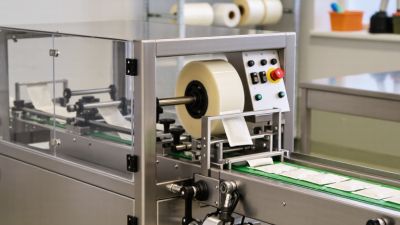
Why Choose a Mini FFS Pouch Packing Machine?
Why Choose a Mini FFS Pouch Packing Machine?
Choosing the right packing equipment can shape daily production, product protection, and operating costs. A Mini FFS Pouch Packing Machine forms, fills, and seals pouches within one compact system. It can fit beside a worktable, near a weighing unit, or inside a small production room. That physical detail matters when floor space is limited.
Dr. J. Singh, a packaging machinery specialist, offers a practical view: “A good package protects the product, controls the process, and reduces waste.” This principle explains the appeal of mini FFS equipment. The machine can create consistent pouch dimensions, controlled fill volumes, and reliable heat seals. Operators may also change film rolls, adjust settings, and inspect finished pouches without managing a large production line. Less complexity helps.
However, compact does not mean universally suitable. A Mini FFS Pouch Packing Machine may have lower output than a full-scale industrial system. Product flow, film thickness, pouch size, and sealing temperature still require careful testing. Weak material selection can cause wrinkles, leaks, or uneven seals. That part is easy to underestimate.
A well-matched machine can reduce manual handling and improve workplace organization. It may support growing businesses, pilot production, specialty foods, powders, and selected granular products. Cleaning access matters too. So does technical support.
The best choice is rarely the smallest machine. It is the machine that fits the product, operator skill, output target, and future plans. Sometimes, a little more capacity is wiser.
Read more »
By:Emily
- October 2, 2026
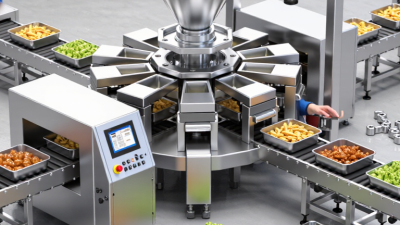
How to Choose a Multihead Weigher Packaging Machine?
Choosing a Multihead Weigher Packaging Machine starts with the product, not the brochure. A fragile snack, sticky dried fruit, and frozen vegetables each behave differently in a hopper. Product shape, flow, target weight, and required output all affect the right configuration. Packaging specialist Alex Morgan offers this practical rule of thumb: “A fast weigher is only useful when it delivers accurate, repeatable portions for your product.” Treat that as a selection principle, not a substitute for a production trial.
Compare the number of weigh heads, hopper volume, contact-part materials, and controls. Then check how the machine integrates with your bagger, conveyor, and available floor space. Ask suppliers to test your actual product and report giveaway, weighing accuracy, and packs per minute under stated conditions. Watch the product move. Does it bridge at the feed chute? Do delicate pieces break during distribution? Small details matter. Also consider cleaning access, changeover time, operator training, and the availability of local service and spare parts. A polished demonstration can hide awkward maintenance; ask to see routine cleaning and adjustment.
There is no universal best model. Budget matters, but the lowest purchase price may bring slower changeovers or higher product giveaway. Be cautious with headline speed claims. Your real results may differ. This guide explains how to compare machine specifications, validate performance, and match a Multihead Weigher Packaging Machine to your product and production line. It also points out where buyers should ask harder questions. Some decisions remain imperfect; documenting your assumptions helps you revisit them later.
Read more »
By:Olivia
- September 27, 2026
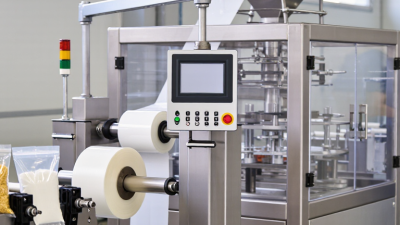
7 Tips for Choosing a Vertical Form Fill Seal VFFS Machine
Choosing a Vertical Form Fill Seal VFFS Machine can shape your packaging efficiency, product quality, and long-term operating costs. The right equipment should match your product, packaging material, production speed, and available floor space. A powder behaves differently from granules, liquids, or fragile snacks. Small details matter, including seal temperature, film tracking, dosing accuracy, and cleaning access.
This guide presents seven practical tips for evaluating a VFFS machine with greater confidence. It considers real production conditions, not only attractive brochure specifications. Check sample runs with your actual product and film whenever possible. Watch the machine form each bag, fill it, seal it, and discharge it. Record changeover time, waste levels, noise, and operator effort. Ask manufacturers for clear performance data, maintenance requirements, training support, and spare-parts availability. Reliable suppliers should explain limitations instead of promising perfect results.
No machine fits every line.
A useful decision also includes future needs. Your current output may increase, or your product range may expand. Modular dosing systems, adjustable bag dimensions, recipe storage, and accessible controls can provide valuable flexibility. However, extra features may increase purchase and maintenance costs. Be realistic. A sophisticated machine is not automatically the most suitable choice.
Before approving a purchase, involve operators, maintenance staff, quality personnel, and production managers. Their practical observations often reveal problems missed during demonstrations. Even experienced buyers can overlook film compatibility or cleaning time. Careful comparison, documented testing, and honest reflection can help you select equipment that performs consistently in daily production.
Read more »
By:Emily
- September 22, 2026
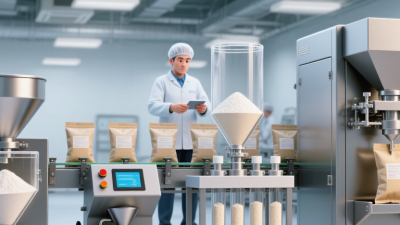
2026 Best Automatic Powder Packing Machine Types
In 2026, powder packaging is becoming smarter, cleaner, and more adaptable. Yet no single Automatic Powder Packing Machine suits every factory. Product density, moisture, particle size, and flowability can change during production. Fine flour behaves differently from milk powder or ground spices. Small differences matter.
This guide explores leading machine types for modern powder packaging lines. It covers auger fillers, volumetric fillers, vacuum systems, and vertical form-fill-seal equipment. Premade pouch machines and multi-lane models also deserve attention. Each design offers different strengths in speed, accuracy, flexibility, and maintenance. A compact auger filler may suit a small spice producer. A high-speed multi-lane system may better support large-scale powdered beverage production. However, higher speed does not always mean better value.
Real factory experience should guide the final decision. Operators should test the actual powder, pouch material, target weight, and sealing temperature. Requesting trial results can reveal problems that brochures often hide. Cleaning access matters, especially when fine powder settles around augers and sensors. Food-contact materials, guarding, emergency stops, and documented quality procedures also support safer operation. Reliable suppliers should explain calibration methods, spare-part availability, and service response times.
There is no perfect choice.
Some recommendations may change after testing. Humidity, operator skill, and production goals can produce unexpected results. This overview therefore compares practical options rather than promising one universal solution. With careful evaluation, manufacturers can choose equipment that improves consistency, reduces waste, and supports dependable packaging performance in 2026.
Read more »
By:Liam
- September 17, 2026
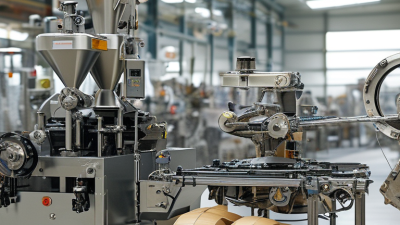
Why Choose an Automatic Powder Packing Machine for Your Business?
In today's fast-paced production environment, efficiency is key. As noted by industry expert Dr. Alex Tran, a specialist in packaging technology, “The automatic powder packing machine transforms operational workflows.” Businesses are increasingly opting for全自动粉末包装机 to streamline their processes and boost productivity.
An全自动粉末包装机 not only enhances speed but also improves accuracy in packaging powders. This machinery minimizes human error while allowing for more precise measurements. Many companies have observed a significant reduction in waste and increased output after implementing this technology.
However, investing in a全自动粉末包装机 requires careful consideration. While these machines are efficient, they can also be complex. Training staff to properly operate and maintain the equipment is vital. Businesses must ensure a balance between automation and human oversight to maximize benefits without sacrificing quality.
Read more »
By:Liam
- August 18, 2026
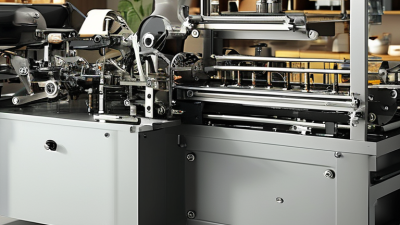
Top 10 Horizontal Forming Sealing Packing Machines for Buyers?
In the competitive world of packaging, choosing the right equipment is crucial. Among available options, "卧式成型封口包装机" stands out for its efficiency and versatility. These machines are designed to streamline the packaging process, ensuring products are well-protected and preserved. Their horizontal design allows for easy loading and unloading, which can save time during production.
Many buyers often feel overwhelmed by the choices. With numerous brands and models on the market, making an informed decision can be tricky. Factors such as production speed, machine durability, and energy efficiency need careful consideration. It is essential to evaluate the specific needs of your operation before investing in a machine.
Understanding the unique features of various "卧式成型封口包装机" can simplify your selection process. Each model has its strengths and weaknesses. This guide aims to provide insights into the top ten machines available today. By doing so, buyers can reflect on their own needs and hopefully find the perfect fit for their packaging requirements.
Read more »
By:Liam
- August 18, 2026
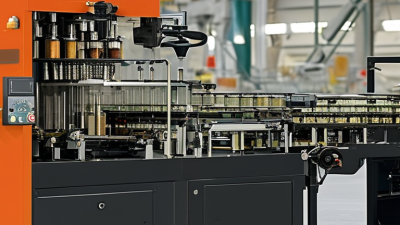
What is a Fully Automatic Vertical Packaging Machine?
A fully automatic vertical packaging machine is a game changer in the packaging industry. These machines streamline the packaging process, reducing labor costs and increasing efficiency. This technology is essential for businesses aiming to enhance productivity. They can handle various products, from powders to granules, ensuring that each item is packed securely.
With the right programming, a fully automatic vertical packaging machine can operate with minimal human intervention. This automation leads to consistent quality in the packaging. Users can expect precise measurements and faster output rates. However, operators must remain vigilant. Even the best machines require periodic checks and maintenance.
Choosing the right machine is critical. A fully automatic vertical packaging machine should align with specific business needs. Each business faces unique challenges, and not all machines will perform equally. Investing in the right equipment can prevent future complications and reflect a company's commitment to quality.
Read more »
By:Liam
- August 18, 2026