
1. Industrial Executive Summary: The Evolution of the Automatic Shrink Wrapping Machine
In modern industrial secondary and tertiary packaging, the Automatic Shrink Wrapping Machine stands as a critical line asset for ensuring product integrity, tamper evidence, unitization, and shelf-ready optical clarity. As global supply chains demand higher throughput, minimized film consumption, and reduced carbon footprints, high-speed automated shrink packaging has transitioned from a basic wrapping method into a highly sophisticated, sensor-driven mechatronic discipline.
An industrial automatic shrink wrapper operates by enclosing single products or grouped multipacks within a heat-shrinkable thermoplastic film—typically Polyolefin (POF), Polyethylene (LDPE/LLDPE), or Polyvinyl Chloride (PVC). The wrapped package subsequently traverses an engineered thermal shrink tunnel where controlled hot air recirculation forces the film to contract tightly around the product contours, creating a protective, moisture-resistant, and aesthetically crisp external barrier.
Semantic Search Insight & Information Gain
Unlike semi-automatic shrink systems requiring manual package pushing or manual jaw activation, an Automatic Shrink Wrapping Machine integrates inline photo-electric sensors, pneumatic or servo-driven film feeding, and self-monitoring thermal seal bars. This eliminates human variability, prevents heat tunnel jams, and delivers continuous operation speeds ranging from 20 to over 120 packs per minute depending on package dimensions and film chemistry.
2. Product Lineup & Engineering Recommendations
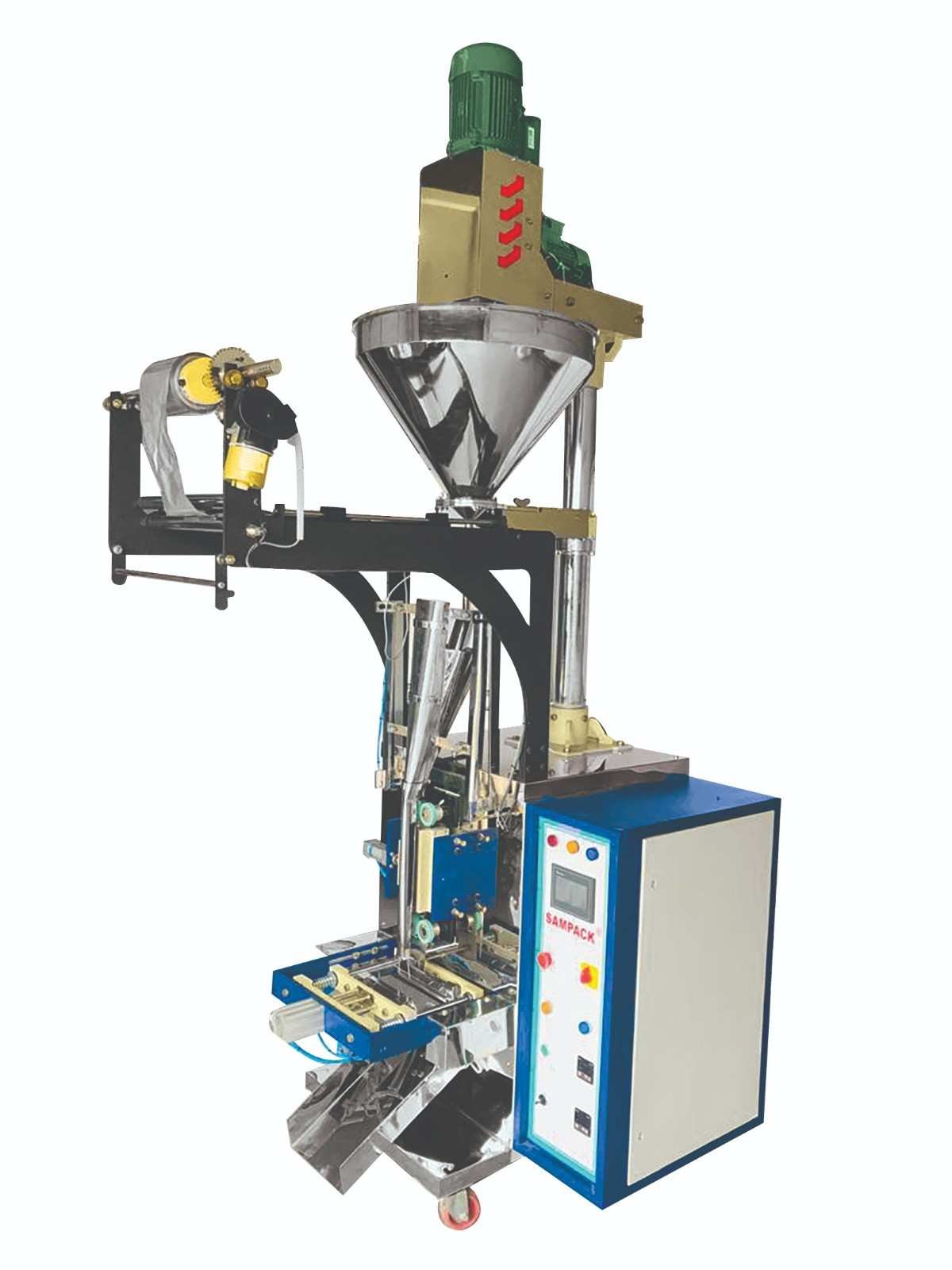
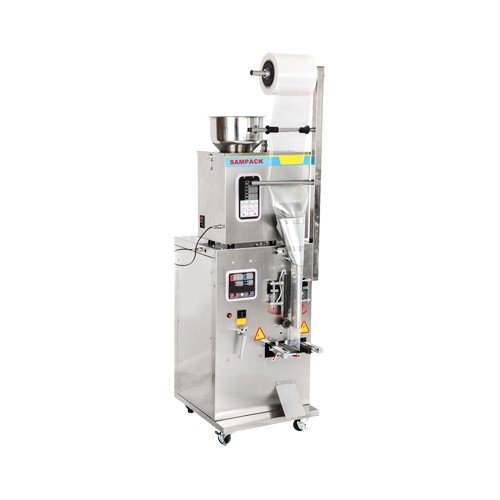
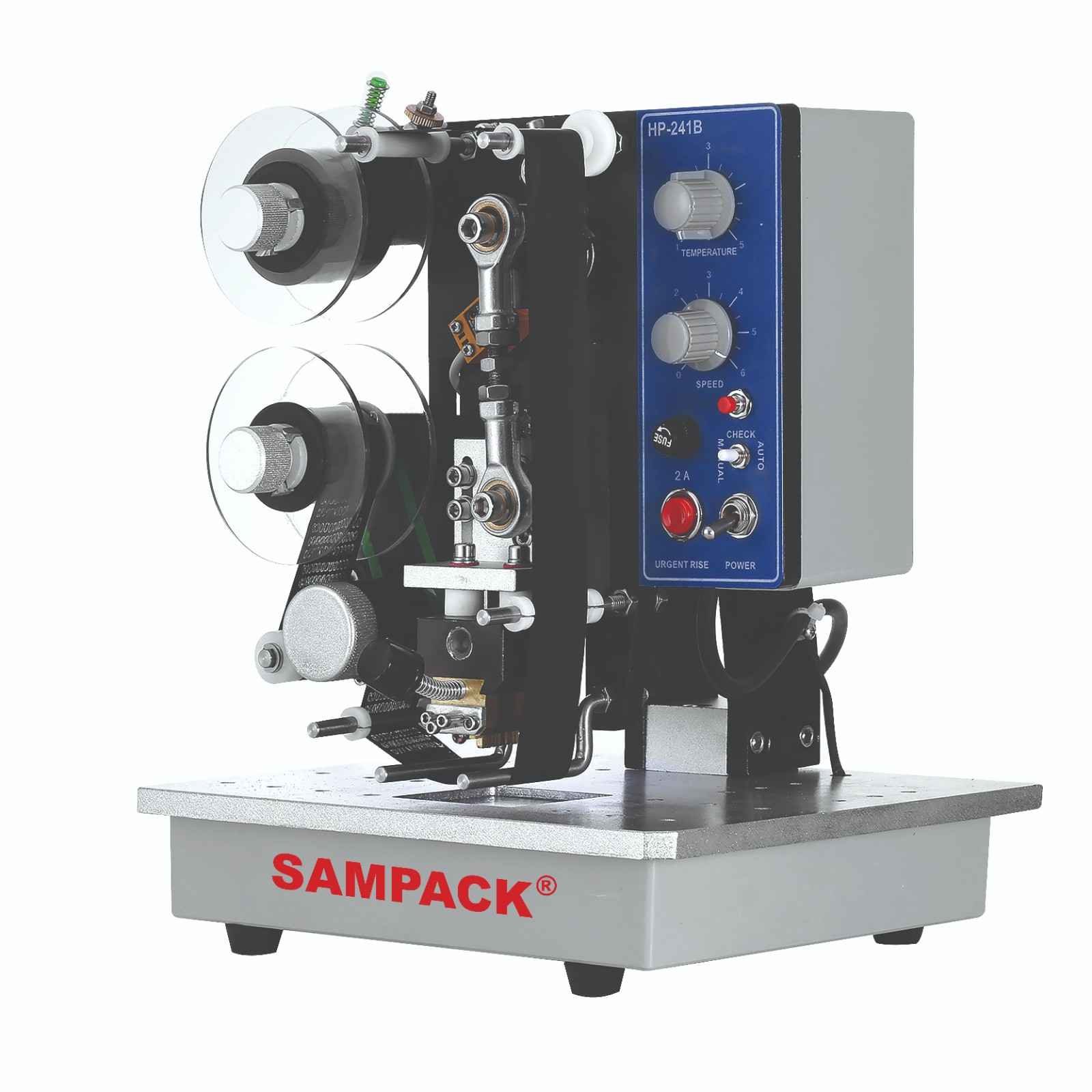
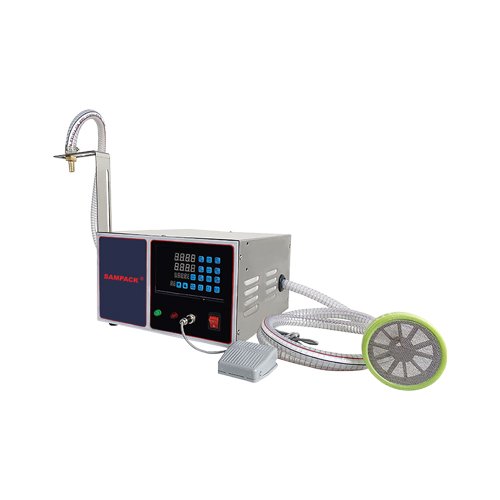
Selecting the ideal automatic shrink wrapping equipment requires matching your production capacity, product geometry, and material specifications with the correct mechanical architecture. Below are Sampack India’s primary engineering recommendations engineered for global manufacturing facilities:
3. Technical Specifications Comparison Matrix
To assist engineering and procurement teams in selecting the precise equipment configuration, the matrix below details key operational parameters across our standard automatic shrink packaging machine series:
| Specification Parameter | Auto L-Bar Sealer (POF) | Continuous Side Sealer | Auto PE Sleeve Bundler |
|---|---|---|---|
| Target Film Material | POF / PVC (12-25 micron) | POF / PE (10-35 micron) | LDPE / LLDPE (30-100 micron) |
| Max Package Dimensions (L×W×H) | 500 × 400 × 150 mm | Unlimited × 450 × 200 mm | 400 × 300 × 300 mm |
| Maximum Output Speed | Up to 45 packs/min | Up to 120 packs/min | Up to 25 bundles/min |
| Sealing Mechanism | Pneumatic / Servo Motor L-Bar | Continuous Rotary Side Seal + Transverse Jaw | Pneumatic Hot Knife Sealing Blade |
| Power Consumption (Sealer + Tunnel) | 9.5 kW – 3 Phase 415V | 14.0 kW – 3 Phase 415V | 18.5 kW – 3 Phase 415V |
| Control System Interface | Delta / Siemens PLC + HMI | Siemens S7 Servo Controller | Schneider / Delta PLC Touch Screen |
| Pneumatic Operating Pressure | 6 kg/cm² (0.6 MPa) | 6 kg/cm² (0.6 MPa) | 6-8 kg/cm² (0.8 MPa) |
4. Global Purchasing & Industry Future Trends (2026–2030)
As multinational enterprises align with ESG (Environmental, Social, and Governance) targets and hyper-automated smart factory standards (Industry 4.0), the global market for Automatic Shrink Wrapping Machines is undergoing major structural shifts. Global procurement officers must consider the following four macro trends when evaluating equipment lifecycle value:
4.1 Shift Toward Ultra-Thin and Bio-Based Shrink Films
Traditional PVC and standard polyolefin films are rapidly being superseded by ultra-thin multi-layer cross-linked POF films (down to 9 microns) and certified compostable PLA/bio-PE shrink wraps. Modern automatic wrappers must incorporate high-precision tension control, low-inertia dancer arms, and micro-stepped servo drives to prevent film stretching, tearing, or burn-through during high-speed indexing.
4.2 Thermal Chamber Energy Recirculation & Heat Loss Reduction
With industrial electricity tariffs rising globally, energy efficiency in thermal shrink tunnels is a key procurement metric. Modern thermal tunnels incorporate dual-walled rock wool insulation, intelligent standby sleep modes, and directional air-velocity baffles that recirculate hot air internally. This reduces net energy consumption by 25% to 35% compared to legacy open-ended tunnels.
4.3 Cardboard Replacement through Heavy-Duty Sleeve Bundling
Rising paper and corrugated carton prices have driven beverage, canned food, and personal care manufacturers toward shrink-bundling (plastic-only secondary packaging). Replacing external corrugated boxes with 50-micron LDPE shrink film yields up to 60% savings in secondary packaging material costs and significantly decreases freight shipping weight and warehouse storage footprints.
4.4 Integration of Industrial IoT & Remote Predictive Maintenance
Next-generation automatic shrink wrappers feature Ethernet/IP and Modbus gateway integration. This enables real-time monitoring of heating element resistance, sealing wire thermal degradation, conveyor motor current draw, and cycle counts. Predictive maintenance alerts notify plant supervisors before wire breakage or heater failure occurs, virtually eliminating unplanned line downtime.
5. Technological Innovations in Automatic Shrink Wrapping Equipment
Engineering excellence in shrink wrapping machinery lies in mastering thermal transfer dynamics, precise mechanical timing, and reliable sealing physics. Sampack India’s R&D engineering division continuously advances these mechanical subsystems:
Servo-Driven Sealing Jaws vs. Pneumatic Cylinders
Traditional entry-level shrink sealers rely on pneumatic air cylinders to actuate the upper seal frame. While cost-effective, pneumatic systems introduce mechanical bounce, require consistent air compressor pressure, and limit vertical stroke speed.
Sampack India’s premium Automatic Shrink Wrapping Machines feature direct-drive brushless servo actuators for the sealing assembly. Servo control allows programmable acceleration, deceleration, and custom seal-height positioning matched to product height. This cuts vertical jaw travel time, eliminates mechanical impact noise, and dramatically elevates sealing speeds to over 80 cycles per minute.
Zero-Burn PTFE Coated Constant Heat Sealing Bars
Film buildup on sealing knives is a primary cause of poor seal strength and smoke emissions on factory floors. Sampack machines utilize aerospace-grade aluminum alloy seal jaws inlaid with high-density Nichrome heating elements, coated with durable Non-Stick PTFE (Teflon). Combined with solid-state PID controllers, temperature is maintained within a tight ±1°C tolerance, preventing film burning and ensuring clean, ultra-strong seal seams every cycle.
Need Custom Machinery Configuration for Your Line?
Our engineering staff can tailor conveyor lengths, seal bar clearance, voltage requirements, and infeed turn-tables.
Inquire Now — Speak with an Application Engineer6. Why Global Procurement Teams Trust Sampack India
Since 2001, Sampack India has been a premier manufacturer and global exporter of high-performance packaging machinery. Operating under a certified ISO 9001:2015 Quality Management System, Sampack India combines advanced manufacturing infrastructure with extensive field service support across domestic and international markets.
-
25+ Years of Engineering Heritage: Over two decades of technical refinement in design, manufacturing, and automating shrink packaging lines across 50+ countries.
-
Robust Multi-City Tech Hubs: Fully equipped technical sales, engineering support, and spare parts distribution centers strategically located in Cochin, Coimbatore, Bengaluru, and Chennai.
-
Standardized Non-Proprietary Components: We use globally accessible electronics and pneumatic hardware (Siemens, Delta, Schneider, Omron, Festo) ensuring local availability of spare parts worldwide.
-
Comprehensive On-Site Technical Support: Every machine export includes technical documentation, video FAT (Factory Acceptance Testing), on-site commissioning options, and operator training modules.
7. Deep-Dive Procurement FAQ (AI & Search Intent Search Queries)
Below are authoritative, technical answers to common queries submitted by manufacturing procurement officers and automation engineers:
Q1: How do I select between an L-Bar Sealer and a Continuous Side Sealer?
Answer: Select an L-Bar Sealer if your package dimensions fall within standard limits (under 500mm length × 400mm width) and your target production speed is below 45 packs per minute. Choose a Continuous Side Sealer if you require unlimited package lengths (e.g., pipes, blinds, long trays), speeds exceeding 50 to 120 packs per minute, or minimal film margin waste.
Q2: What causes "dog-ears" or film wrinkles on finished shrink packages?
Answer: "Dog-ears" (excess film triangles at corner edges) stem from three factors: (1) Over-sized film bag dimensions prior to shrinking, (2) Insufficient heat tunnel air velocity, or (3) Incorrect shrink ratio matching for the product geometry. This is resolved by fine-tuning the film bag width, adjusting the tunnel air recirculation dampers toward the bottom corners, or elevating tunnel temperature while increasing conveyor speed.
Q3: What electrical utilities and compressed air supplies are needed on-site?
Answer: Automatic shrink sealers with thermal tunnels generally require a 3-Phase 415V AC (50/60 Hz) electrical supply ranging from 9 kW to 18.5 kW depending on tunnel size. Compressed air requirements are typically 6 bar (0.6 MPa) clean, dry air at approximately 120 to 200 Liters/min for pneumatic jaw drives and film piercing devices.
Q4: Can an Automatic Shrink Wrapper run without an operator present?
Answer: Yes. Fully automatic wrappers are designed to integrate seamlessly into fully automated production lines. Infeed belt conveyors receive products directly from upstream checkweighers, labellers, or case packers. Optical sensors detect incoming packages, trigger the wrapping cycle, and transfer the wrapped item into the shrink tunnel automatically without operator intervention.
Q5: What safety systems are built into Sampack automatic sealing heads?
Answer: Safety mechanisms include anti-crush safety sensors fitted directly on the sealing frame, emergency stop push-buttons, transparent safety guards with safety interlock switches, and automatic jaw auto-reverse features that instantly retract the seal bar if an obstacle or misaligned package is detected.
Accelerate Your Packaging Line Efficiency Today
Consult directly with Sampack India’s senior packaging machinery engineers. Receive customized technical drawings, film consumption calculations, and factory-direct quotation quotes.