+91 94477 11444 [email protected] Mon – Sat: 9:00 AM – 6:00 PM IST

Packaging Machine Insights & Industry Blog

Explore technical guides, machinery selection tips, and packaging automation updates from Sampack India's engineering team.

0%

The 2026 market offers more precise and flexible liquid filling equipment than ever. Among these options, the Double Head Digital Liquid Filling Machine stands out for small and medium production lines. It uses two filling nozzles, digital controls, and adjustable volume settings. This design can improve output without requiring a large floor area. Accuracy matters. Operators can monitor filling data through a clear control panel. They can also adjust speed when working with water-like liquids, oils, syrups, or cosmetic formulations. However, machine performance depends on viscosity, container shape, and product temperature. A specification sheet alone cannot reveal every production challenge.

This article introduces the main Double Head Digital Liquid Filling Machine types expected in 2026. It considers piston, peristaltic, gear pump, and servo-driven configurations. Each type has different strengths in accuracy, cleaning, maintenance, and handling sensitivity. Practical selection requires more than comparing prices. It requires checking nozzle design, hopper capacity, filling range, and contact-material compatibility. Small details matter. For example, a narrow bottle opening may need a custom nozzle arrangement. A thick product may require slower filling and stronger pumping power. Some claims about “perfect accuracy” deserve careful review. Real results can vary during long production runs. Readers should verify test data, service support, and safety documentation before purchasing. This balanced approach supports dependable decisions for food, beverage, pharmaceutical, cosmetic, and general industrial applications.

2026 Top Double Head Digital Liquid Filling Machine Types

What Is a Double Head Digital Liquid Filling Machine?

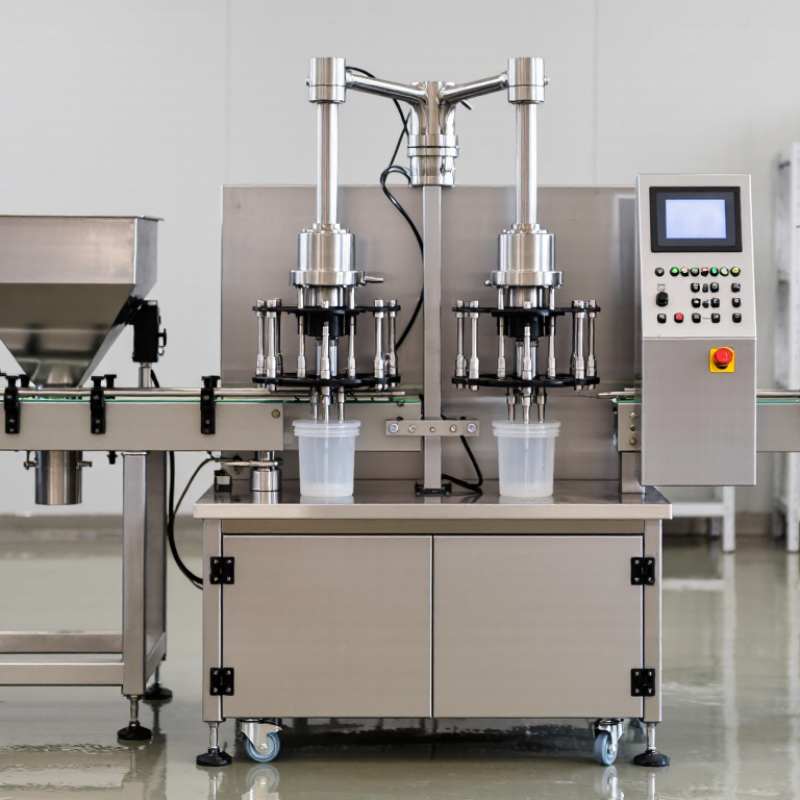
A double head digital liquid filling machine is an automated system with two filling nozzles. Both heads dispense measured liquid into separate containers during one cycle. Digital controls let operators set volume, speed, filling intervals, and container counts. Two nozzles work together. This arrangement can improve output while keeping the workspace compact.

The machine usually combines a product tank, pumps, sensors, a control panel, and adjustable nozzles. Different pump designs suit different liquids. Piston systems handle thicker products, while peristaltic systems can support cleaner transfer for sensitive formulations. Gear pumps may provide steady flow for uniform liquids. The correct choice depends on viscosity, foaming, temperature, and required accuracy.

In practical operation, calibration matters more than the screen suggests. An operator should test several containers, weigh the results, and adjust each head separately. Small differences can appear when tubing lengths, pressure, or liquid levels change. I have found that stable tank pressure often improves consistency, but this is not guaranteed. No machine removes every human decision. Cleaning access, nozzle spacing, and changeover time deserve close inspection before purchase. A digital display may look precise, yet poor maintenance can still cause dripping or uneven fills. The best evaluation uses the actual liquid, container, and production speed rather than a demonstration with water.

How Double Head Digital Liquid Filling Machines Work

A double head digital liquid filling machine uses two synchronized nozzles to dispense product into two containers at once. An operator enters the target volume through the touchscreen. The controller then coordinates pumps, valves, sensors, and conveyor timing.

Many models use flow meters or servo-driven pistons. These systems measure liquid movement instead of relying only on filling time. Both heads should deliver nearly equal volumes. A small calibration test with a precision scale can reveal differences before production begins. The machine can also store recipes for viscosity, container size, speed, and nozzle height. Useful detail matters here.

Recent reports from Grand View Research and Mordor Intelligence estimate the liquid filling equipment market at several billion U.S. dollars, with annual growth commonly projected above 5%. PMMI’s 2024 packaging research also identifies labor availability and automation as continuing industry pressures. These findings explain the interest in digital, dual-nozzle systems, especially where repeatability and reduced manual handling matter.

In practice, the promise is not flawless. Thick liquids may respond slowly, while foaming products can create unstable fill levels. Worn seals can also make one head drift from the other. Operators should check temperature, viscosity, nozzle alignment, and actual net weight during each shift. Speed alone is not accuracy. A faster cycle can expose weak calibration.

Main Types of Double Head Digital Liquid Filling Machines

2026 Top Double Head Digital Liquid Filling Machine Types

Main Types of Double Head Digital Liquid Filling Machines

Double head digital liquid filling machines improve output by filling two containers simultaneously. Their main types differ by pump design, accuracy, and liquid behavior. Piston models suit creams, syrups, and other medium-viscosity products. They deliver measured volumes through calibrated strokes. Peristaltic models work well with sensitive liquids because the product touches only the tubing. Gear pump models support steady flow and precise digital adjustment for thin or moderately viscous liquids.

Market data supports this shift toward controlled automation. MarketsandMarkets projected the global filling machine market to grow from about USD 8.5 billion in 2024 to USD 11.3 billion by 2029, at a 5.9% CAGR. PMMI’s 2024 State of the Industry report also identified labor pressure and automation investment as major packaging trends. However, a digital display does not guarantee real accuracy. No machine is perfect. Viscosity changes, foam, temperature, and nozzle dripping can affect results.

Tips: Match the pump with the liquid first. Test both heads at the actual production speed. Check fill-weight variation across at least 30 containers. Keep tubing, seals, and nozzles easy to remove. A clean specification sheet may still hide maintenance costs. Record setup time, cleaning time, and rejected containers before choosing a machine.

How to Choose the Right Machine for Different Liquids

2026 Top Double Head Digital Liquid Filling Machine Types

How to Choose the Right Machine for Different Liquids

Choosing a double-head digital liquid filling machine starts with the liquid, not the container. Thin liquids, such as water-like solutions, usually suit gravity or timed pump systems. Thick creams and syrups need piston filling for steady volume control. Liquids with foam require slower filling speeds and diving nozzles. The wrong nozzle can create bubbles, splashes, and uneven levels.

For liquids containing small particles, select a wide passage and a pump that will not damage the material. Peristaltic systems can help with sensitive products because the liquid contacts the tubing only. Check whether the machine supports heated hoppers for products that become thicker when cool. In production trials, operators should compare both filling heads, since tiny pressure differences can affect accuracy. A perfect setting rarely survives every batch.

Tips: Test the real liquid at its lowest and highest working temperature. Measure viscosity, foaming, dripping, and particle size. Confirm that wetted parts resist the product and can be cleaned thoroughly. Keep nozzle height adjustable. It matters more than expected. Calibrate the digital controls with filled containers, not empty assumptions. Record ten or more cycles from each head. If results vary, reduce speed before replacing the machine. This simple step is often overlooked. Also inspect seals after repeated cleaning, because early wear can quietly change fill volume.

2026 Top Double Head Digital Liquid Filling Machine Types - How to Choose the Right Machine for Different Liquids

Machine Type Best-Suited Liquids Typical Viscosity Range Common Filling Range Typical Accuracy Recommended Pump or Filling Principle Key Advantages Important Limitations
Digital Peristaltic Double-Head Filler
Water, saline solutions, liquid flavorings, light disinfectants, and other low-viscosity products Approximately 1–100 mPa·s Approximately 1–5,000 mL per head Commonly ±0.5% to ±1.0%, depending on tubing, speed, and calibration Peristaltic pump with programmable digital control The product contacts only the tubing; easy product changeover; suitable for sanitary and small-batch applications; low risk of cross-contamination Tubing wears over time; not ideal for abrasive liquids, large particles, or very high production speeds
Digital Piston Double-Head Filler
Creams, gels, sauces, syrups, lotions, toothpaste-like products, and other medium-to-high-viscosity liquids Approximately 100–100,000 mPa·s Approximately 10–10,000 mL per head Commonly ±0.5% to ±1.0% after correct calibration Pneumatic or servo-driven piston with volumetric measurement Strong suction and discharge capability; handles viscous products well; repeatable volumetric dosing; suitable for filling containers with narrow or wide openings More product-contact parts require cleaning; piston seals need maintenance; may generate shear that affects sensitive products
Digital Gear Pump Double-Head Filler
Oils, lubricants, cosmetic oils, liquid detergents, and stable medium-viscosity products Approximately 10–20,000 mPa·s Approximately 5–5,000 mL per head Commonly ±0.5% to ±1.0%, depending on viscosity and pump calibration Servo-controlled gear pump with digital flow or pulse control Good repeatability; compact design; suitable for continuous metering; effective for products whose viscosity changes moderately with temperature Not suitable for large solid particles; abrasive products can accelerate gear wear; pressure and temperature limits must be observed
Digital Magnetic Pump Double-Head Filler
Low- to medium-viscosity chemicals, acids, alkalis, solvents, and corrosive liquid formulations Approximately 1–1,000 mPa·s Approximately 5–3,000 mL per head Commonly ±1.0% to ±2.0%, depending on liquid properties and calibration Magnetically coupled pump with chemically resistant wetted components Reduced shaft-seal leakage risk; suitable for many corrosive liquids; can be configured with compatible fluoropolymer or ceramic wetted parts Flow performance decreases with high viscosity; compatibility must be checked carefully; particles may damage the pump
Digital Gravity or Time-Pressure Double-Head Filler
Thin, free-flowing liquids such as water, beverages, detergents, and non-carbonated cleaning solutions Approximately 1–300 mPa·s Approximately 50–20,000 mL per head Commonly ±1.0% to ±2.0%, affected by liquid level and foaming Gravity feed or controlled air-pressure filling with digital timing Simple liquid path; easy to clean; relatively low operating cost; useful for larger containers and free-flowing products Less suitable for viscous liquids; filling consistency can change when liquid level, temperature, or foam behavior changes
Digital Flowmeter Double-Head Filler
Clean, low-viscosity liquids requiring inline measurement, including water-based products and some solvents Approximately 1–500 mPa·s Approximately 50–20,000 mL per head Commonly ±0.5% to ±1.0% when the flowmeter is correctly selected and calibrated Mass or electromagnetic flowmeter with electronically controlled valves Fast filling; suitable for automatic production lines; measurement is less dependent on tank level than gravity filling; supports recipe-based control Requires a stable, bubble-free flow; electromagnetic meters need conductive liquids; unsuitable meter selection can reduce accuracy
Digital Servo Screw or Auger-Assisted Liquid Filler
Thick products containing suspended particles, pulps, seeds, or small soft solids, such as sauces and food preparations Approximately 500–200,000 mPa·s, depending on formulation and particle content Approximately 20–5,000 mL per head Commonly ±1.0% to ±2.0%, depending on particle size and product consistency Servo-driven screw, progressive cavity, or specialized positive-displacement system Better control of difficult, thick, or particulate products; programmable speed profiles can reduce splashing and product separation Product formulation and particle size must be consistent; cleaning can be more complex; unsuitable for very fragile particles without careful testing
Digital Heated Double-Head Filler
Temperature-sensitive viscous products that become easier to pump when warmed, such as waxes, creams, pastes, and certain chocolate-based products Approximately 1,000–500,000 mPa·s at the selected operating temperature Approximately 10–5,000 mL per head Commonly ±0.5% to ±1.5%, depending on temperature stability Heated piston, gear, or progressive cavity pump with temperature control Reduces viscosity during filling; improves dosing consistency; helps prevent blockages in the product path Requires accurate temperature control; excessive heat may damage the product; warm-up and cleaning procedures take additional time
Digital Foaming-Liquid Double-Head Filler
Shampoos, liquid soaps, detergents, foaming cleaners, and other products that generate foam during filling Approximately 1–5,000 mPa·s Approximately 50–10,000 mL per head Commonly ±1.0% to ±2.0%, depending on foam control and container design Diving nozzle, bottom-up filling, low-shear pump, or controlled flowmeter system Reduces foam overflow; supports clean container presentation; programmable speed and nozzle movement can improve fill quality Requires product-specific testing; filling speed may be lower; nozzle height and filling sequence are important

Note: Viscosity ranges, filling ranges, and accuracy values are typical engineering guidelines rather than universal specifications. Actual performance depends on liquid temperature, foaming tendency, particle size, container shape, nozzle design, pump selection, and calibration.

Key Features and Applications in 2026

2026 Top Double Head Digital Liquid Filling Machine Types

Key Features and Applications in 2026

Double head digital liquid filling machines are becoming practical choices for medium-speed production in 2026. Two filling nozzles improve output while keeping the machine compact. Digital controls allow operators to set volume, filling speed, and nozzle delay from a clear touch interface. Servo-driven systems can support repeatable dosing, especially when container sizes change during a shift.

Modern models often include flow monitoring, recipe storage, automatic nozzle adjustment, and production data records. These features help reduce filling errors and support reliable quality checks. Some machines also offer stainless-steel contact parts, tool-free cleaning, and gentle filling modes for foaming liquids. Applications include beverages, cosmetics, household liquids, personal-care products, and selected pharmaceutical solutions. However, one machine may not suit every formula. Thick creams, sticky gels, and temperature-sensitive liquids require careful testing.

Tips: Test the actual liquid before purchase. Check viscosity at operating temperature. Confirm container stability and nozzle spacing. Keep a small manual sample log during early production. It may reveal problems that digital records miss. Operators should inspect drip control, calibration, and cleaning access every day. A machine can be accurate, yet poor maintenance will quietly reduce performance. I would not judge efficiency by speed alone. Changeover time, product waste, and operator training often matter more.

2026 Top Double Head Digital Liquid Filling Machine Types: Key Features and Applications

The chart compares common operating fill-volume ranges for two-head digital liquid filling machines. Overflow fillers are widely used for consistent levels in low-viscosity liquids, piston fillers handle thicker products and larger volumes, peristaltic fillers support hygienic and low-volume filling, while time-pressure systems are suitable for flexible production of low- to medium-viscosity liquids. Actual performance depends on liquid viscosity, container size, filling accuracy, and production conditions.

FAQS

How does a double-head digital liquid filling machine work?

Two synchronized nozzles fill two containers simultaneously. An operator enters the target volume on a touchscreen. Sensors coordinate pumps, valves, and conveyor timing. Both heads should deliver nearly equal amounts.

Which pump type suits thick liquids?

Piston pumps suit creams, syrups, and medium-viscosity liquids. They measure volume through controlled piston strokes. Thick liquids may still move slowly. Test the actual product before production.

Which system works well with sensitive liquids?

Peristaltic systems keep the liquid inside flexible tubing. This can reduce contact with internal machine parts. Tubing still needs regular inspection. Small cracks can affect hygiene and accuracy.

How should thin liquids and foaming liquids be handled?

Thin liquids may suit gravity or timed pump systems. Foaming liquids need slower speeds and carefully adjusted nozzle heights. Diving nozzles can reduce splashing. Foam can make the fill level look correct when the weight is wrong.

How can operators check filling accuracy?

Fill test containers from both heads at production speed. Weigh them with a precision scale. Compare at least ten cycles from each head. Thirty containers provide a stronger variation check.

What causes one filling head to drift?

Unequal pressure, worn seals, blocked tubing, or poor alignment can cause drift. Temperature changes can alter viscosity. Check net weight during every shift. Speed alone is not accuracy.

What features should buyers compare?

Check pump design, adjustable nozzle height, recipe storage, and cleaning access. Confirm that wetted parts resist the liquid. Review setup, cleaning, and rejection time. A neat specification sheet may hide maintenance costs.

How should the machine be tested before regular production?

Use the real liquid at its lowest and highest working temperatures. Measure viscosity, foaming, dripping, and particle size. Start below maximum speed. A perfect setting rarely survives every batch.

Conclusion

A Double Head Digital Liquid Filling Machine is an automated system designed to dispense precise volumes of liquid into two containers at the same time. By using digital controls, adjustable filling parameters, and synchronized filling heads, it improves production speed, consistency, and ease of operation. The machine typically works through pumps, sensors, valves, and a programmable control system that measures and releases liquid according to the selected volume.

In 2026, common types may include piston, peristaltic, gear pump, and overflow filling machines, each suited to different liquid characteristics such as viscosity, foaming behavior, and particle content. Choosing the right model requires evaluating the liquid, container size, filling accuracy, cleaning requirements, and production capacity. Key features include touchscreen operation, recipe storage, adjustable speed, quick changeover, and safety protection. These machines are widely applicable in food, beverage, cosmetics, household products, and general liquid manufacturing.

Olivia

Olivia

Olivia is a dedicated marketing professional with a profound expertise in our company’s innovative products and services. With a keen eye for detail and a passion for sharing knowledge, she frequently updates our professional blog, providing valuable insights that keep our clients and partners......