
Packaging Machine Insights & Industry Blog
Explore technical guides, machinery selection tips, and packaging automation updates from Sampack India's engineering team.
2026 Best Automatic Powder Packing Machine Types
In 2026, powder packaging is becoming smarter, cleaner, and more adaptable. Yet no single Automatic Powder Packing Machine suits every factory. Product density, moisture, particle size, and flowability can change during production. Fine flour behaves differently from milk powder or ground spices. Small differences matter.
This guide explores leading machine types for modern powder packaging lines. It covers auger fillers, volumetric fillers, vacuum systems, and vertical form-fill-seal equipment. Premade pouch machines and multi-lane models also deserve attention. Each design offers different strengths in speed, accuracy, flexibility, and maintenance. A compact auger filler may suit a small spice producer. A high-speed multi-lane system may better support large-scale powdered beverage production. However, higher speed does not always mean better value.
Real factory experience should guide the final decision. Operators should test the actual powder, pouch material, target weight, and sealing temperature. Requesting trial results can reveal problems that brochures often hide. Cleaning access matters, especially when fine powder settles around augers and sensors. Food-contact materials, guarding, emergency stops, and documented quality procedures also support safer operation. Reliable suppliers should explain calibration methods, spare-part availability, and service response times.
There is no perfect choice.
Some recommendations may change after testing. Humidity, operator skill, and production goals can produce unexpected results. This overview therefore compares practical options rather than promising one universal solution. With careful evaluation, manufacturers can choose equipment that improves consistency, reduces waste, and supports dependable packaging performance in 2026.
What Is an Automatic Powder Packing Machine?
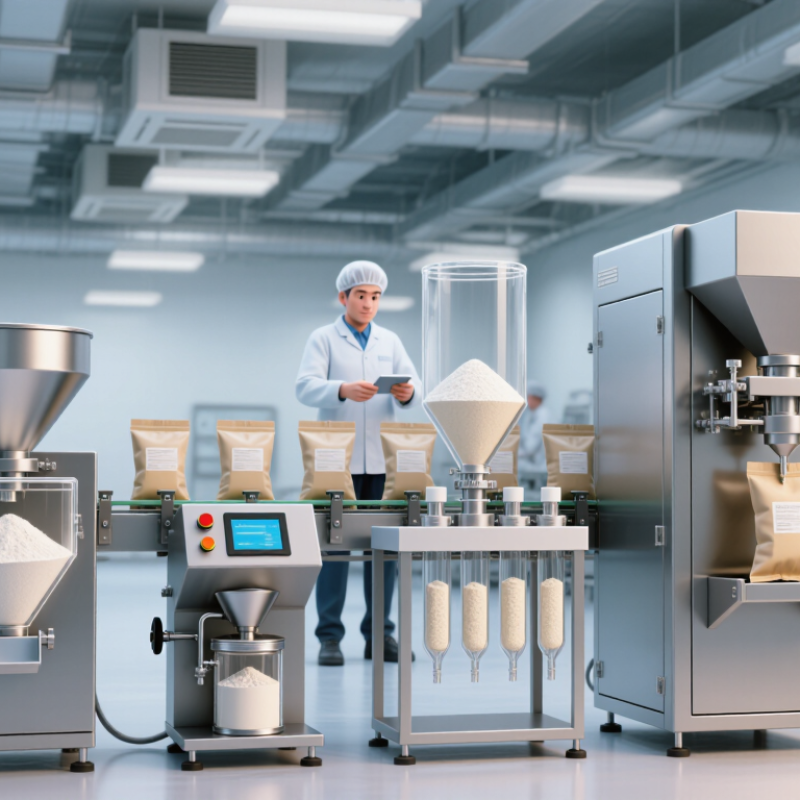
An automatic powder packing machine is industrial equipment that measures, fills, and seals powdered products with limited manual handling. It replaces repeated hand scooping with controlled dosing. A typical system includes a hopper, auger or vacuum feeder, weighing sensor, forming tube, sealing jaws, and a control panel. The machine receives powder from a storage hopper, portions a programmed amount, drops it into packaging film, and seals the finished pouch.
Operators can set the target weight, pouch length, sealing temperature, and production speed. Fine flour may flow differently from granular seasoning, so one setting rarely suits every material. Humidity and particle size also affect feeding accuracy. Practical testing is essential. Staff should check sample weights, inspect seals, and clean product-contact parts according to documented procedures. Calibration records and clear operating instructions improve traceability and reduce avoidable errors.
In a working facility, the machine may produce a steady row of small pouches while sensors detect empty film or feeding problems. That consistency helps reduce spills and labor pressure. However, automation is not magic. A worn auger, unstable powder, or incorrect temperature can create underweight packs or weak seals. I would not judge performance from speed alone. Reliable evaluation should consider accuracy, cleaning time, material compatibility, operator training, and maintenance access. Even advanced equipment needs human review.
How Automatic Powder Packing Machines Work
Automatic powder packing machines combine dosing, bag forming, filling, sealing, and inspection in one controlled process. A product hopper holds the powder above a screw auger or volumetric cup. The dosing system measures a selected amount and releases it into each pouch, jar, or bag.
A programmable controller coordinates the machine’s timing. Sensors detect film position, pouch height, and product flow. The forming unit shapes packaging film around a filling tube. Heated jaws then seal the edges at a controlled temperature and pressure. A weighing sensor can check each package and reject units outside the target range. Dust extraction also protects the sealing area from powder buildup.
Different powders behave differently. Fine flour may bridge inside the hopper, while granular materials flow more easily. Operators often adjust auger speed, vibration, and filling time after observing actual production results. Calibration matters. Even a small measurement error can become significant across thousands of packages. Cleaning between products is equally important, especially when powder sticks to the auger or funnel.
No automatic system is flawless. Humidity, static electricity, and inconsistent powder density can affect accuracy. A machine may run smoothly during testing but require slower settings on a busy production floor. Experienced technicians record rejected packages, inspect seals, and review sensor readings before changing parameters. This practical feedback keeps automation reliable, although some adjustments still depend on careful human judgment.
2026 Best Automatic Powder Packing Machine Types – How Automatic Powder Packing Machines Work
Comparison of common automatic powder packaging systems, operating methods, suitable products, and typical performance ranges
| Machine Type | How It Works | Typical Products | Common Pack Style | Typical Fill Range | Typical Speed | Main Advantages |
|---|---|---|---|---|---|---|
| Auger Filler with VFFS | A rotating auger meters powder by volume or weight, while a vertical form-fill-seal unit forms film into a pouch, fills it, and heat-seals it. | Flour, spices, milk powder, protein powder, coffee, detergents | Pillow bags, gusseted bags, four-side-seal bags | Approximately 5 g–2,000 g | Approximately 20–70 bags/min, depending on product and pack size | Flexible, widely used, compact, and suitable for free-flowing and many cohesive powders |
| Premade Pouch Auger Packing Machine | A pouch-feeding system opens preformed bags, fills them with an auger dosing unit, and seals the pouch after checking its position. | Nutritional powders, chemicals, pet supplements, specialty food powders | Stand-up pouches, flat pouches, zipper pouches | Approximately 10 g–5,000 g | Approximately 15–45 bags/min | High presentation quality, supports multiple pouch shapes, and allows easy package changes |
| Automatic Sachet Powder Packing Machine | The machine unwinds roll film, forms small sachets, doses powder through an auger, and seals and cuts each sachet automatically. | Instant coffee, seasoning, pharmaceutical powders, sweeteners | Three-side-seal or four-side-seal sachets | Approximately 0.5 g–100 g | Approximately 30–120 sachets/min, depending on lanes and product | Economical for single-use portions, small pack sizes, and high-volume production |
| Stick Pack Powder Machine | Multiple narrow film tubes are formed vertically, filled through precision augers, sealed longitudinally and transversely, then cut into individual sticks. | Drink mixes, instant coffee, sugar, electrolytes, pharmaceutical powders | Slim stick packs | Approximately 1 g–50 g per stick | Approximately 100–600 sticks/min, depending on the number of lanes | Efficient film usage, convenient carrying format, and strong suitability for portion control |
| Vacuum Powder Packing Machine | The product is dosed into a bag, air is removed by a vacuum system, and the package is sealed to reduce internal oxygen and package volume. | Coffee, cocoa, milk powder, powdered chemicals, oxygen-sensitive products | Vacuum brick bags or vacuum pouches | Approximately 100 g–1,000 g | Approximately 10–35 packs/min | Reduces trapped air, improves pack density, and can help protect oxidation-sensitive powders |
| Linear Weighing Powder Packer | Several weighing hoppers measure portions independently or collectively before releasing the target quantity into a bag or container. | Granulated powders, free-flowing powders, blended dry ingredients | Bags, pouches, jars, and containers | Approximately 10 g–5,000 g | Approximately 10–40 fills/min | Useful when direct weighing is preferred and the powder has relatively stable flow properties |
| Container Powder Filling Machine | An auger or piston dosing system dispenses powder into rigid containers, followed by optional leveling, capping, sealing, and labeling. | Pharmaceutical powders, nutritional supplements, spices, cosmetic powders | Bottles, jars, cans, and tubs | Approximately 10 g–2,000 g | Approximately 20–80 containers/min | Rigid packaging, easy downstream handling, and good compatibility with complete production lines |
Main Types of Automatic Powder Packing Machines
Automatic powder packing machines are selected by powder behavior, pack format, and required output. Auger filler machines measure powder with a rotating screw. They suit flour, spices, milk powder, and other cohesive materials. Servo-driven augers can improve dosing accuracy. However, dusty powder may cling to the screw. Regular cleaning remains essential.
Vertical form-fill-seal machines create bags from roll film, then fill and seal them in one line. They work well for high-volume sachets and pillow bags. An auger filler is commonly mounted above the forming tube. Premade pouch machines use prepared bags and offer a cleaner appearance. They suit stand-up pouches, but pouch loading can limit speed. Small mistakes scale quickly. Stick pack and four-side-seal machines produce narrow or flat single-use packs. They fit samples, drink mixes, and controlled portions.
Vacuum packing systems remove air before sealing when oxidation matters. Pneumatic conveying systems can feed powder from a hopper. Compressed air needs careful filtration and moisture control. In plant trials, powder testing should include bulk density, flowability, dust level, seal strength, and cleaning time. The real powder must be tested, not a similar substitute. That detail is often overlooked. No machine is perfect. Even accurate equipment needs calibration, operator training, and inspection records. A selection can look right on paper and still fail during production.
Key Components and Packaging Materials
Automatic powder packing machines are evolving with demand for cleaner dosing and lower material waste. Grand View Research valued the global packaging machinery market at about USD 53.9 billion in 2023. Powder applications need more than speed. They require stable auger control, load cells, dust extraction, servo-driven sealing jaws, and accurate sensors. An auger filler suits flour, spices, and fine chemicals. A weigh filler handles variable-density powders better. VFFS systems create, fill, and seal bags continuously.
Material choice directly affects machine performance. Laminated films provide strong moisture and oxygen barriers, while polyethylene films offer flexible heat sealing. Paper-based structures can improve shelf appeal, but they may need protective coatings. Smithers reports that global packaging demand is moving toward recyclable and lightweight structures. This shift is useful, but not always simple. A thinner film can tear near the seal.
Watch the seal area closely. Powder residue may create tiny leaks. Nitrogen flushing can protect sensitive products, but it adds controls and operating cost. In practical testing, operators should check flowability, bulk density, humidity, and particle size before selecting an auger. Small differences matter. ISO 11607 principles also support documented package integrity testing for applicable products.
A common mistake is choosing the fastest machine first. That approach can increase dust, rejects, and downtime. The better decision links the filler, film structure, sealing temperature, and cleaning method. Data from PMMI’s packaging machinery reports also highlights automation, inspection, and flexible changeovers as important investment priorities. Still, every powder behaves differently. One laboratory result cannot replace a sustained production trial.
How to Choose the Right Machine for Powder Packaging
2026 Best Automatic Powder Packing Machine Types: How to Choose the Right Machine for Powder Packaging
Choosing a powder packing machine starts with product behavior, not machine speed. Auger fillers suit consistent powders, while net-weigh systems handle changing bulk density more accurately. Volumetric fillers cost less, but their weight can drift when powder compacts. Vertical form-fill-seal machines are practical for sachets and pouches. A 2024 Grand View Research report valued the global packaging machinery market at about USD 52.8 billion in 2023, showing strong investment in automated production. However, market growth does not guarantee the right machine for every powder.
Check flowability, moisture sensitivity, dust generation, particle size, and target weight before requesting quotations. Ask suppliers to test your actual powder. Watch the auger during filling. Measure weight variation across several production runs, not just one sample. The Packaging Machinery Manufacturers Institute has repeatedly identified labor shortages and automation efficiency as major industry drivers. Still, a higher-speed filler may create more dust, sealing problems, or product waste. I have seen specifications look impressive on paper and disappoint during changeovers. That risk deserves attention.
Tips: Compare accuracy, cleaning time, changeover design, dust control, and sealing performance. Request test records with your own packaging film and powder. Confirm food-contact materials and documented hygiene procedures. Leave space for future package sizes. A cheaper machine can become expensive when operators need constant adjustments. Also, do not treat advertised speed as guaranteed output; powder density, pouch size, and operator skill can reduce real production rates.
FAQS
It measures, fills, and seals powdered products with limited manual handling. A hopper stores the powder. A dosing system portions it into film or prepared pouches. Sealing jaws then close each package.
Typical parts include a hopper, auger or vacuum feeder, weighing sensor, forming tube, sealing jaws, and control panel. Each part affects production reliability. A worn auger can cause inaccurate filling.
Auger fillers often suit flour, spices, milk powder, and other cohesive powders. A rotating screw controls each portion. Dust may cling to the screw. Regular cleaning remains necessary.
Start with powder behavior, not advertised speed. Check flowability, moisture sensitivity, dust generation, particle size, target weight, and package format. Test the actual powder. Similar material may behave differently.
Not always. Higher speed can increase dust, waste, or sealing problems. Real output may fall because of powder density, pouch size, changeovers, or operator skill.
Weigh samples from several production runs. Do not rely on one sample. Compare target weight with actual weights, and keep calibration records. Small errors can multiply across hundreds of pouches.
Clean product-contact parts according to documented procedures. Remove powder buildup around the auger, hopper, and forming tube. Cleaning time matters during equipment comparisons. This area is easy to underestimate.
Incorrect temperature may create weak seals. Unstable powder can cause underweight packages. Empty film or feeding faults may interrupt the line. Automation helps, but human inspection remains necessary.
Yes, testing is strongly advisable. Use the actual powder and packaging film. Review weight variation, seal strength, dust levels, cleaning time, and changeover effort. Specifications can look excellent and still disappoint.
Conclusion
An Automatic Powder Packing Machine is a specialized system designed to measure, fill, and seal powdered products with consistent speed and accuracy. It can streamline packaging operations by reducing manual labor, improving portion control, and maintaining a cleaner production process. Depending on production needs, common types include vertical form-fill-seal machines, auger filling machines, premade pouch packing machines, and multi-lane systems. Each type is suited to different powder characteristics, package styles, output levels, and automation requirements.
These machines generally use a feeding system, measuring device, filling mechanism, sealing unit, control panel, and safety sensors. Packaging materials may include laminated films, paper-based structures, or other compatible flexible materials selected according to product protection and storage conditions. When choosing an Automatic Powder Packing Machine, manufacturers should evaluate powder flowability, target weight, packaging format, production capacity, accuracy, cleaning convenience, available space, and future expansion needs. A well-matched machine can improve efficiency, reduce material waste, and support stable, reliable packaging performance.

Blog Tags: