
Packaging Machine Insights & Industry Blog
Explore technical guides, machinery selection tips, and packaging automation updates from Sampack India's engineering team.
What is a Fully Automatic Vertical Packaging Machine?
Table of Contents
- What is a Fully Automatic Vertical Packaging Machine?
- Key Components of Fully Automatic Vertical Packaging Machines
- Advantages of Fully Automatic Vertical Packaging Machines in Production
- Industry Applications and Usage Statistics for Vertical Packaging Machines
- Future Trends and Innovations in Vertical Packaging Technology
- FAQS
- Conclusion
- Related Posts
A fully automatic vertical packaging machine is a game changer in the packaging industry. These machines streamline the packaging process, reducing labor costs and increasing efficiency. This technology is essential for businesses aiming to enhance productivity. They can handle various products, from powders to granules, ensuring that each item is packed securely.
With the right programming, a fully automatic vertical packaging machine can operate with minimal human intervention. This automation leads to consistent quality in the packaging. Users can expect precise measurements and faster output rates. However, operators must remain vigilant. Even the best machines require periodic checks and maintenance.
Choosing the right machine is critical. A fully automatic vertical packaging machine should align with specific business needs. Each business faces unique challenges, and not all machines will perform equally. Investing in the right equipment can prevent future complications and reflect a company's commitment to quality.
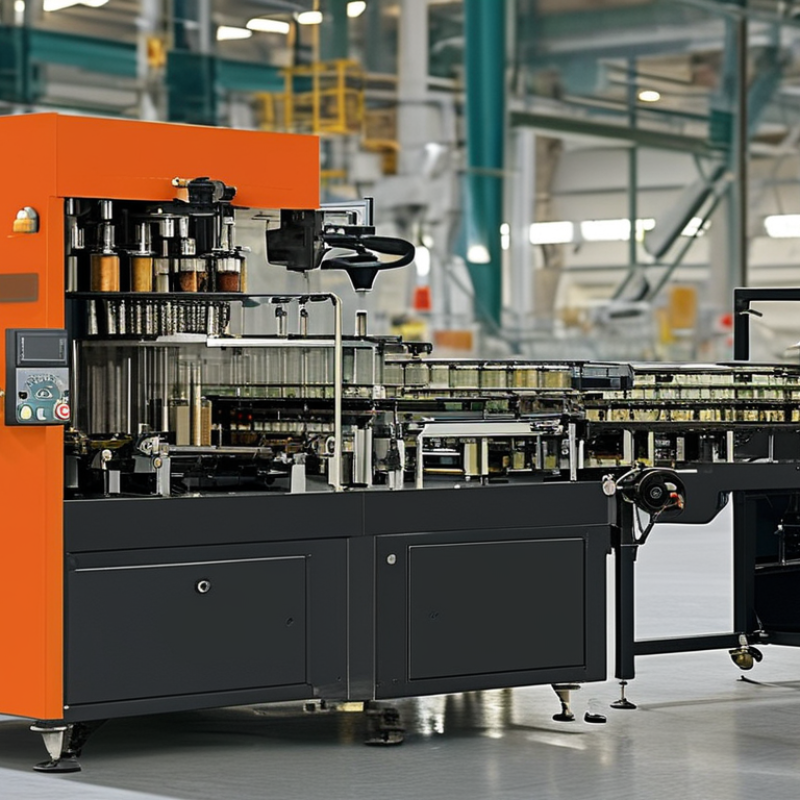
What is a Fully Automatic Vertical Packaging Machine?
A fully automatic vertical packaging machine is a vital asset for modern packaging lines. It operates seamlessly to pouch products in vertical formats, enhancing speed and efficiency. These machines cater to various industries, such as food, pharmaceuticals, and consumer goods.
According to a report by Smithers Pira, global demand for packaging machinery is set to increase by 3.5% annually. This growth is driven by the need for automation and efficiency, particularly in vertical packaging solutions. A fully automatic machine can produce up to 150 packets per minute, significantly reducing labor costs. However, these systems may require significant upfront investment, which can deter smaller companies from adopting such technology.
Not all automatic machines suit every application. Some products may not fit well in a vertical packaging context. Businesses also face challenges in machine integration and maintenance. Operators need training to maximize productivity. With the right expertise, these machines can lead to profitable outcomes. The challenge lies in balancing automation with adaptability. Continuous evaluation and customization are vital for long-term success in evolving markets.
What is a Fully Automatic Vertical Packaging Machine?
| Feature | Description | Benefits |
|---|---|---|
| Automation Level | Fully automatic, minimizes manual intervention. | Increases efficiency and reduces labor costs. |
| Packaging Speed | Can produce up to 120 bags per minute. | High output for large-scale production. |
| Bag Types | Can package various bag types such as pillow, gusseted, and three-side seal. | Versatility for different product requirements. |
| Material Compatibility | Compatible with a variety of materials including films and foils. | Suitable for diverse product packaging needs. |
| Control System | Advanced PLC and HMI for easy operation. | User-friendly interface for quick adjustments. |
| Cleaning & Maintenance | Easy access for cleaning and maintenance. | Reduces downtime and ensures long-term operation. |
Key Components of Fully Automatic Vertical Packaging Machines
Fully Automatic Vertical Packaging Machines are essential in modern manufacturing. These machines are designed to package products with precision, speed, and efficiency. Their components play a crucial role in achieving seamless operation. Key components include the forming unit, filling system, sealing mechanism, and control system. Each part needs to work flawlessly to maintain high output rates.
The forming unit shapes the packaging film. It creates pouches or bags, which determine the end product's appearance. The filling system ensures accurate measurement and dispensing of contents, critical for product consistency. Reports indicate that packaging errors can lead to significant financial losses, with industry averages revealing that up to 5% of total revenue can be affected. The sealing mechanism guarantees product safety and freshness, preventing contamination during transport and storage.
Furthermore, the control system orchestrates all components. It offers real-time monitoring of processes, addressing any discrepancies swiftly. Investing in quality components is vital. Compromising on one aspect can lead to operational inefficiencies. Reports suggest that companies often overlook the importance of frequent maintenance, leading to unexpected downtimes. A well-engineered vertical packaging machine can enhance productivity, but only if all parts function in harmony. Reflecting on this, the industry can improve by valuing each component's role in the packaging process.
Advantages of Fully Automatic Vertical Packaging Machines in Production
Fully automatic vertical packaging machines have transformed production lines. They offer significant advantages that enhance efficiency, reduce labor costs, and ensure high-quality packaging. Reports suggest that businesses using these machines can achieve a 30% increase in productivity compared to manual systems. With the ability to operate continuously, these machines assist producers in meeting high volume demands without compromising quality.
One notable benefit is the reduction in packaging errors. These machines use advanced sensors and control systems, minimizing human error and increasing precision. According to industry data, companies have experienced a 20% decrease in material wastage by implementing fully automatic machines. This reduction not only saves costs but also contributes to sustainability efforts. Yet, it’s essential to recognize that these machines require regular maintenance. Neglect can impact their efficiency and reliability.
Flexibility in packaging options is another advantage. These machines can handle a variety of products, from granules to powders, adapting to different formats quickly. However, this flexibility can sometimes be challenging. Operators must ensure that settings are correctly adjusted for each product type. Achieving a balance between automation and oversight remains a critical factor in optimizing production.
Industry Applications and Usage Statistics for Vertical Packaging Machines
Vertical packaging machines have become essential in various industries, including food, pharmaceuticals, and consumer goods. The global market for these machines is projected to reach $6.2 billion by 2027, growing at a compound annual growth rate (CAGR) of 4.5%. This growth is driven by the rising demand for efficient packaging solutions and increased automation.
In the food industry, vertical packaging machines are pivotal for products like snacks, grains, and liquids. Approximately 30% of all packaged food utilizes these machines, streamlining production and enhancing shelf appeal. Pharmaceutical applications account for around 25% of usage, focusing on precision and compliance with regulations. Consumer goods are a significant segment, too, particularly with e-commerce growth, which requires versatile packaging options.
**Tip:** Invest in training for staff operating these machines. Better-trained employees can reduce errors and increase efficiency in the production line.
The high adaptability of vertical packaging machinery makes it suitable for various materials, including flexible films and rigid products. However, companies must continuously evaluate their systems for potential upgrades. This includes assessing performance metrics regularly. Many installations reveal that maintenance lapses can lead to costly downtime and operational inefficiencies.
**Tip:** Schedule routine maintenance checks to keep machines running smoothly and avoid unexpected breakdowns.
Future Trends and Innovations in Vertical Packaging Technology
The vertical packaging machine industry is witnessing transformative innovations. New technologies are enhancing efficiency and product sustainability. According to a recent report by Research and Markets, the global vertical form-fill-seal packaging market is projected to reach $11.9 billion by 2026. This surge reflects a growing demand for automated solutions that streamline operations.
One significant trend is the integration of artificial intelligence. AI-driven machines can monitor performance in real time, reducing downtime. These systems improve accuracy in filling and sealing, which minimizes material waste. However, challenges remain regarding the adaptability of older machines. Many manufacturers hesitate to upgrade due to high initial costs.
Sustainability is another crucial focus. The industry is leaning towards biodegradable and recyclable materials. Studies indicate up to 68% of consumers prefer eco-friendly packaging. Companies need to balance sustainability with operational efficiency. This dual demand can create tension in production lines. Addressing these complexities requires ongoing innovation and thoughtful design.
FAQS
: They enhance efficiency, reduce labor costs, and ensure high-quality packaging.
Businesses can achieve up to a 30% increase in productivity compared to manual systems.
They significantly reduce errors, leading to a 20% decrease in material wastage.
Neglecting maintenance can decrease efficiency and reliability, causing operational issues.
Yes, they adapt quickly to various products, though settings must be adjusted carefully.
Food, pharmaceuticals, and consumer goods industries heavily utilize these machines.
Integration of artificial intelligence for monitoring performance in real time is gaining traction.
There's a shift towards biodegradable materials, reflecting consumer preference for eco-friendly packaging.
Many hesitate to upgrade due to high initial costs, impacting their adaptability.
Training staff and scheduling routine maintenance checks are crucial for smooth operations.
Conclusion
A fully automatic vertical packaging machine is a sophisticated device designed for efficient and streamlined packaging processes. These machines operate on a vertical plane, allowing for high-speed production and versatile packaging options. Key components include a feeder, dosing device, and sealing system, all of which work together to facilitate rapid packaging of various products ranging from food items to pharmaceuticals.
The advantages of using fully automatic vertical packaging machines include increased production efficiency, reduced labor costs, and improved packaging quality. They are widely used across multiple industries, exhibiting significant usage statistics that highlight their effectiveness. Looking ahead, future trends in vertical packaging technology point toward enhanced automation, integration with smart technologies, and eco-friendly packaging solutions, ensuring that the全自动立式包装机 continues to evolve and meet industry demands.

Blog Tags: