
Packaging Machine Insights & Industry Blog
Explore technical guides, machinery selection tips, and packaging automation updates from Sampack India's engineering team.
7 Best Motorised Ribbon Coding Machines for 2026
Table of Contents
Choosing a Motorised Ribbon Coding Machine in 2026 involves more than comparing speed and price. Packaging lines now demand sharper print, steadier ribbon tension, and fewer interruptions during long production runs. A suitable machine should mark dates, batch numbers, ingredients, and traceability details clearly on films, laminates, labels, or flexible packaging.
“Reliable coding begins with controlled ribbon movement, not maximum speed,” says Daniel Mercer, a packaging automation consultant with over two decades of line-integration experience. His observation remains practical on a busy factory floor. A loose ribbon can create pale characters, wrinkles, or repeated stoppages. Small defects become expensive when hundreds of packs move through the conveyor each minute.
This guide reviews seven leading Motorised Ribbon Coding Machine options for 2026. The comparison considers print clarity, motor control, ribbon efficiency, setup time, maintenance access, and compatibility with existing packaging equipment. It also looks at real operating details, such as touchscreen visibility under bright lights and how quickly an operator can change a ribbon roll.
Not every machine suits every site. A compact unit may fit beside a narrow sealer but struggle with demanding output. A faster model may offer better throughput but require more careful calibration. That trade-off is easy to overlook.
The shortlisted machines represent different production priorities. Some favour simplicity. Others target high-volume manufacturing. One may appear perfect on paper, yet perform poorly with a particular film surface. Testing matters. Always verify samples before purchase.
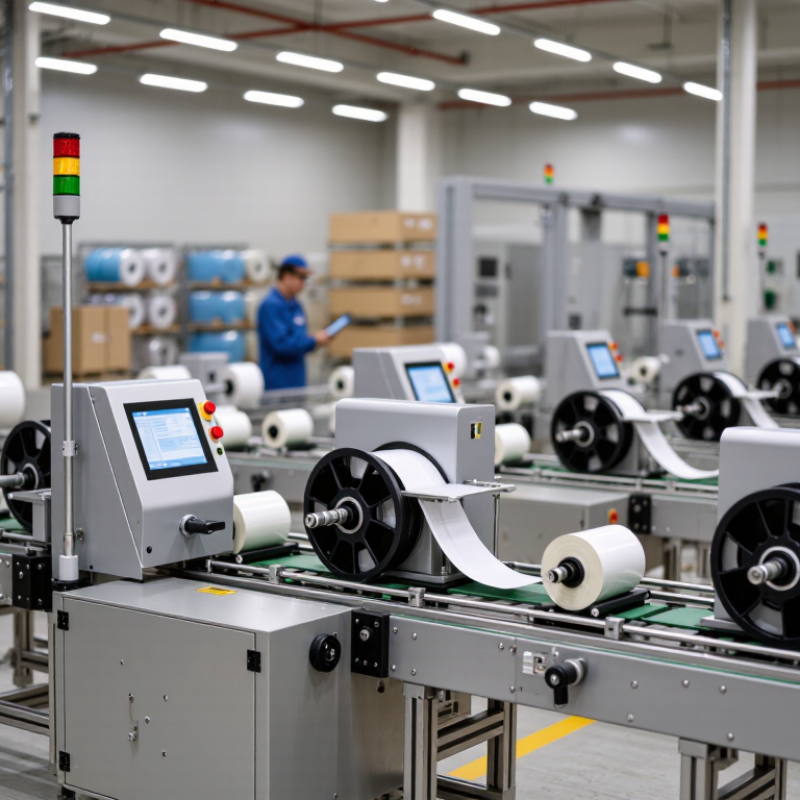
What Motorised Ribbon Coding Machines Are and How They Are Used
A motorised ribbon coding machine prints variable details by pressing an inked ribbon against flexible packaging. A heated printhead transfers the ink onto film, foil, or labels as the pack moves beneath it. The motor advances the ribbon in sync with the production line, helping create legible batch codes, dates, and short product identifiers. Operators commonly install these units on vertical form-fill-seal machines and other packaging lines. The print is compact. Setup still matters.
The machine suits steady production where codes must appear in a consistent position. A 2023 Grand View Research report valued the global packaging machinery market at USD 45.8 billion in 2022 and projected 5.3% annual growth through 2030. That wider market trend reflects investment in automated packaging equipment, though it does not measure ribbon coders alone. In practice, print quality depends on ribbon type, film surface, temperature, and line speed. A code that looks sharp on a stationary test strip may blur at full speed.
Tips: Match ribbon width to the print area, then test on the actual packaging film. Check a sample after the line reaches normal speed. Keep the printhead clean, and inspect ribbon tracking during changeovers. Small setup errors can waste material; even experienced operators miss them sometimes. The process is reliable, but not foolproof.
7 Best Motorised Ribbon Coding Machines for 2026
What motorised ribbon coding machines are and how they are used
Motorised ribbon coding machines transfer ink from a heated ribbon onto flexible packaging, such as film, labels, and pouches. They are commonly used to print variable details including dates, batch identifiers, prices, and product codes. The chart lists common code elements; it does not compare machine performance or represent market-share data.
How Motorised Ribbon Coding Machines Work
Motorised ribbon coding machines print dates, batch details, and production marks onto flexible packaging. Their operation is simple, but accuracy depends on several moving parts. A motor pulls the inked ribbon across a heated print head. The head presses selected characters against the package surface. Heat releases the ink, while pressure forms a sharp, readable mark.
An encoder tracks packaging speed and keeps ribbon movement synchronized. A sensor can detect each pouch or film section before printing begins. This timing prevents blurred text and uneven spacing. Ribbon tension also matters. If it is too loose, wrinkles may appear. If it is too tight, the ribbon can tear. Short pauses help.
In practical operation, technicians adjust temperature, printing pressure, speed, and character spacing for each material. A rough film may need more heat than a smooth laminated surface. Testing on the actual packaging is more reliable than trusting default settings. The process is not flawless. Dust, worn rollers, or a misaligned print head can weaken the result. Regular cleaning and sample checks expose these problems early.
A useful inspection includes ten or more printed samples from different points in a production run. Operators should check contrast, position, legibility, and ribbon wear. Poor settings may look acceptable at the start, then deteriorate after several minutes. That small inconsistency is easy to miss. Adjustments should be recorded, although busy production teams sometimes forget.
| Machine Type | Typical Printing Method | Recommended Print Speed | Maximum Print Area | Ribbon Width | Compatible Materials | Key Advantages | Best For |
|---|---|---|---|---|---|---|---|
| 1. Compact Intermittent Thermal-Transfer Coder | Motor-driven thermal-transfer ribbon; the heated printhead transfers ink from the ribbon to the packaging film while the package is stationary. | Up to approximately 150 packs per minute, depending on print length and substrate. | Up to about 53 × 30 mm | 20–55 mm | PE, PP, laminated films, coated labels and flexible packaging. | Small footprint, clear variable-data printing and comparatively low ribbon consumption. | Small and medium packaging lines |
| 2. High-Speed Continuous Thermal-Transfer Coder | A motorised ribbon drive keeps the ribbon synchronised with continuously moving packaging material during printing. | Up to approximately 450 packs per minute, subject to film speed and message length. | Up to about 53 × 100 mm | 33–110 mm | Uncoated and coated films, laminates, pouches and flow-wrap film. | Suitable for uninterrupted production and high-volume date, lot and barcode marking. | Fast food, snack and convenience-product lines |
| 3. Servo-Synchronised Ribbon Coder | Servo-controlled motors match ribbon movement and print timing to the packaging machine or encoder signal. | Up to approximately 300 metres per minute of web speed. | Up to about 53 × 100 mm | 33–110 mm | Flexible films, laminated webs, coated foil and heat-sealable packaging. | Accurate registration, stable print quality and reduced ribbon wrinkling at changing line speeds. | Packaging lines with frequent speed changes |
| 4. Intermittent-Motion Wide-Format Coder | Motorised thermal-transfer printing during the dwell period of an intermittent packaging machine. | Approximately 80–180 packs per minute | Up to about 107 × 100 mm | 55–110 mm | Large-format pouches, sachets, bags, coated films and laminated structures. | Handles larger messages, multiple lines of text and larger graphics than compact coders. | Large pouches and multi-line packaging information |
| 5. Dual-Head Thermal-Transfer Coder | Two motorised printheads apply separate or coordinated messages on the same package or on different lanes. | Up to approximately 250 packs per minute per lane, depending on configuration. | Typically up to 53 × 100 mm per printhead | 20–110 mm per ribbon | Flexible film, labels, foil laminates and coated packaging materials. | Prints two locations, two product codes or two production lanes without installing separate machines. | Multi-lane and twin-track packaging equipment |
| 6. Heavy-Duty Industrial Ribbon Coder | Continuous-duty motorised ribbon transport with a robust thermal printhead and reinforced mounting system. | Up to approximately 300 metres per minute of packaging-web speed. | Up to about 53 × 100 mm | 33–110 mm | Thick laminates, abrasive coated films, foil structures and demanding industrial packaging. | Designed for long operating periods, high cycle counts and challenging production environments. | Industrial, chemical and high-output manufacturing lines |
| 7. Washdown-Ready Hygienic Ribbon Coder | Motorised thermal-transfer system installed in a sealed or protected housing for wet-cleaning areas. | Up to approximately 250 packs per minute, depending on washdown protection and print format. | Up to about 53 × 100 mm | 33–110 mm | Food-grade films, laminated packaging, coated labels and moisture-resistant substrates. | Improved resistance to dust, moisture and routine cleaning when correctly installed and maintained. | Food, beverage and hygiene-product production |
Key Features to Compare When Choosing a Machine
When comparing motorised ribbon coding machines for 2026, examine print quality before headline speed. Start with ribbon compatibility, print width, and temperature control. Stable heat produces sharper dates, batch codes, and fine characters on uneven packaging. Ask whether the machine supports quick adjustments for different film surfaces. Some materials need more heat, while others wrinkle under pressure. That can waste ribbon and delay production. Watch the control panel during a live demonstration. It should show clear settings, fault alerts, and remaining ribbon status. Too many hidden menus create avoidable mistakes.
Motor speed matters, but consistency matters more. Compare the rated output with your real line speed, not an ideal laboratory figure. Check how the unit handles stops, starts, and short production runs. A reliable system should restart cleanly without doubled or missing codes. Review ribbon-change time as well. A few saved minutes per shift can become useful capacity. I would also inspect the mounting frame, sensor position, and cable protection. These details seem minor until vibration shifts the print area.
Maintenance features deserve equal attention. Look for tool-free access, replaceable print components, and simple cleaning procedures. Dust near the printhead can reduce clarity surprisingly fast. Ask for documented service intervals and operator training materials. An interface may appear simple, yet new staff can still select the wrong code. I once underestimated that risk. A short verification routine, including sample checks and date confirmation, is worth building into daily work. Safe guarding and emergency controls should remain visible, reachable, and suitable for the entire line.
Seven Motorised Ribbon Coding Machines to Consider in 2026
Motorised ribbon coders remain useful where readable batch details matter. Smithers’ 2024 packaging outlook expects global packaging demand to keep growing through 2028, increasing pressure on compact coding systems. Seven configurations deserve attention: tabletop thermal-transfer units, continuous band coders, intermittent band coders, hot-foil stampers, servo-driven horizontal coders, vertical pouch coders, and modular multi-lane systems.
Each design fits a different production rhythm. A tabletop model suits short runs and frequent artwork changes. Continuous band machines handle steady film movement with fewer pauses. Intermittent systems can improve print placement on stop-start packaging. Hot-foil equipment gives strong contrast on coated surfaces, but ribbon waste may rise. Servo-driven units offer tighter registration. That matters on narrow seals.
Real factory trials often reveal the gap between specifications and results. A ribbon that prints sharply at room temperature may smear near a warm sealing jaw. Dust can also weaken character edges. I would test three ribbon grades, two film types, and a full shift before purchasing. Do not trust a five-minute sample.
MarketsandMarkets estimates the global coding and marking market will reach about 4.5 billion US dollars by 2028, supported by traceability and automation demand. That trend favors machines with sensor feedback, quick-change holders, fault alerts, and clear maintenance access. Yet more automation is not always better. Small operators may prefer a simpler motorised coder that technicians can adjust without specialist software.
Common Applications, Maintenance, and Safety Practices
Motorised ribbon coding machines print dates, batch numbers, and other traceable details on moving packaging. They are commonly used for pouches, film, labels, and cartons where clear, repeatable marks matter. On a busy line, a faint code can be hard to spot until a whole reel has passed. Small marks matter. Operators should check print legibility at start-up and after changing the ribbon or packaging material.
Routine care helps prevent smudges and wasted packaging. Clean the printhead and rollers with materials approved for the machine, and let hot parts cool before touching them. Check ribbon tracking, tension, and alignment; wrinkles can create gaps or uneven characters. Replace worn parts according to the equipment manual, rather than adjusting settings by guesswork. This sounds obvious, but rushed cleaning is often incomplete. A clean-looking printhead does not guarantee a consistent print.
Keep guards in place and hands clear of moving rollers while the machine runs. Stop and isolate power before clearing a jam or performing maintenance, following the site’s safety procedure. Hot surfaces can remain hot after shutdown. Train operators to recognize unusual noise, ribbon drift, and repeated print defects, then record what they observe. Not glamorous. But a brief, accurate maintenance log can reveal a recurring issue before it disrupts production.
FAQS
It presses an inked ribbon against moving film, foil, or labels. A heated printhead transfers dates, batch codes, and short identifiers. The motor advances ribbon with the packaging line.
They often fit vertical form-fill-seal equipment and similar packaging lines. The system works best with steady, repeatable production. Setup still matters.
Ribbon type, film surface, temperature, pressure, and line speed all matter. A stationary test may look sharp but blur during full-speed production. Test the actual packaging film.
Match ribbon width with the required print area. Run the line at normal speed before approving the code. Inspect several packs, not one sample. Small errors become expensive.
Check print width, ribbon compatibility, temperature control, and adjustment range. The control panel should show settings, faults, and remaining ribbon. Clear controls reduce avoidable mistakes.
No. Consistent movement matters more than an impressive speed rating. Compare the machine with real line conditions, including stops and starts. The coder should restart without missing or doubling codes.
A tabletop unit can suit short runs and frequent packaging changes. Continuous systems fit steady film movement. Intermittent systems may improve placement when packaging pauses.
Keep the printhead clean and inspect ribbon tracking during changeovers. Use tool-free access when possible. Replace worn printing components according to documented intervals. Dust can damage clarity surprisingly fast.
Confirm the date, code content, position, and readability on finished packaging. Check samples after the line reaches normal speed. I would also review the code after a restart. People miss details sometimes.
Guards and emergency controls should remain visible and reachable. They must suit the complete packaging line. Training materials should explain cleaning, adjustments, and fault handling. Simple equipment still needs careful operation.
Conclusion
This guide explains what a Motorised Ribbon Coding Machine is, how it feeds an inked ribbon, and how it transfers clear codes onto packaging materials such as films, labels, pouches, and flexible wraps. It outlines the main advantages of motorised operation, including consistent printing speed, accurate character placement, adjustable coding settings, and improved production efficiency. Readers will also learn which features to compare, such as ribbon compatibility, print quality, control options, changeover time, durability, and ease of cleaning.
The article reviews seven types of Motorised Ribbon Coding Machine to consider in 2026, focusing on practical differences rather than brand names. It also covers common uses in food, household, pharmaceutical, and general manufacturing environments, along with routine maintenance and safety practices. Proper installation, regular inspection, careful ribbon replacement, clean print heads, and operator training can help maintain reliable performance, reduce downtime, and support safe, consistent coding throughout daily production.

Blog Tags: