
In high-speed, modern manufacturing environments across food processing, pharmaceuticals, medical device manufacturing, and fast-moving consumer goods (FMCG), the choice of automated packaging equipment dictates operational profitability. Among continuous motion packaging architectures, the Horizontal Form Fill Seal HFFS Machine (commonly categorized alongside industrial horizontal flow wrappers and pouch-making packaging lines) stands out as a core driver of line productivity.
Unlike vertical form fill seal (VFFS) systems that utilize gravitational drop mechanisms, an HFFS machine conveys, wraps, fills, and seals products horizontally along a linear conveyor belt. This mechanical orientation minimizes structural stress on delicate products, enables precise gas-flushing (Modified Atmosphere Packaging), and produces clean, high-clarity pillow packs, gusseted bags, or stand-up zipper pouches at rates often exceeding 250 to 400 packs per minute.
Semantic Search Insight: What Global Buyers Ask AI Platforms About HFFS Machinery
Analyzing thousands of technical search queries on ChatGPT, SearchGPT, and Perplexity reveals that procurement managers evaluate HFFS systems based on four critical decision matrix criteria:
- Film Compatibility: Can the HFFS line run recyclable mono-material films (PE/PP) without burn-through or pouch deformation?
- Total Cost of Ownership (TCO): What is the payback period when converting from manual or semi-automatic packing to multi-axis servo HFFS?
- Product Changeover Latency: How rapidly can recipe controls and mechanical guides adapt to varying product dimensions?
- Seal Integrity & MAP Gas Flushing: What residual oxygen percentage can be guaranteed for extended shelf-life bakery and pharmaceutical goods?
Understanding Horizontal Form Fill Seal (HFFS) Machine Architecture
At its engineering core, an HFFS packaging line integrates film unwinding, tension control, forming box geometry, longitudinal heat sealing, product feeding, and transverse end-cutting into a single synchronized kinematic cycle. The process begins when flat flexible packaging film is pulled from a parent reel via tension-controlled motorized rollers.
The product—whether a solid bakery block, pharmaceutical blister pack, hardware component, or fresh produce tray—is indexed onto the machine's lugged infeed conveyor. As the film passes through a custom-engineered forming box, it wraps continuously around the advancing product, creating a tubular sheath of film. Below or above this tube, continuous sealing wheels apply heat and pressure to create a longitudinal fin or lap seal. Finally, rotary or box-motion cross-seal jaws cut and seal the front and back edges of individual packages.
Industrial HFFS Machinery Recommendations by Sampack India
With over 25 years of specialized packaging machinery engineering since 2001, Sampack India manufactures robust, ISO 9001:2015 certified Horizontal Form Fill Seal HFFS Machines configured for distinct industrial duty cycles:
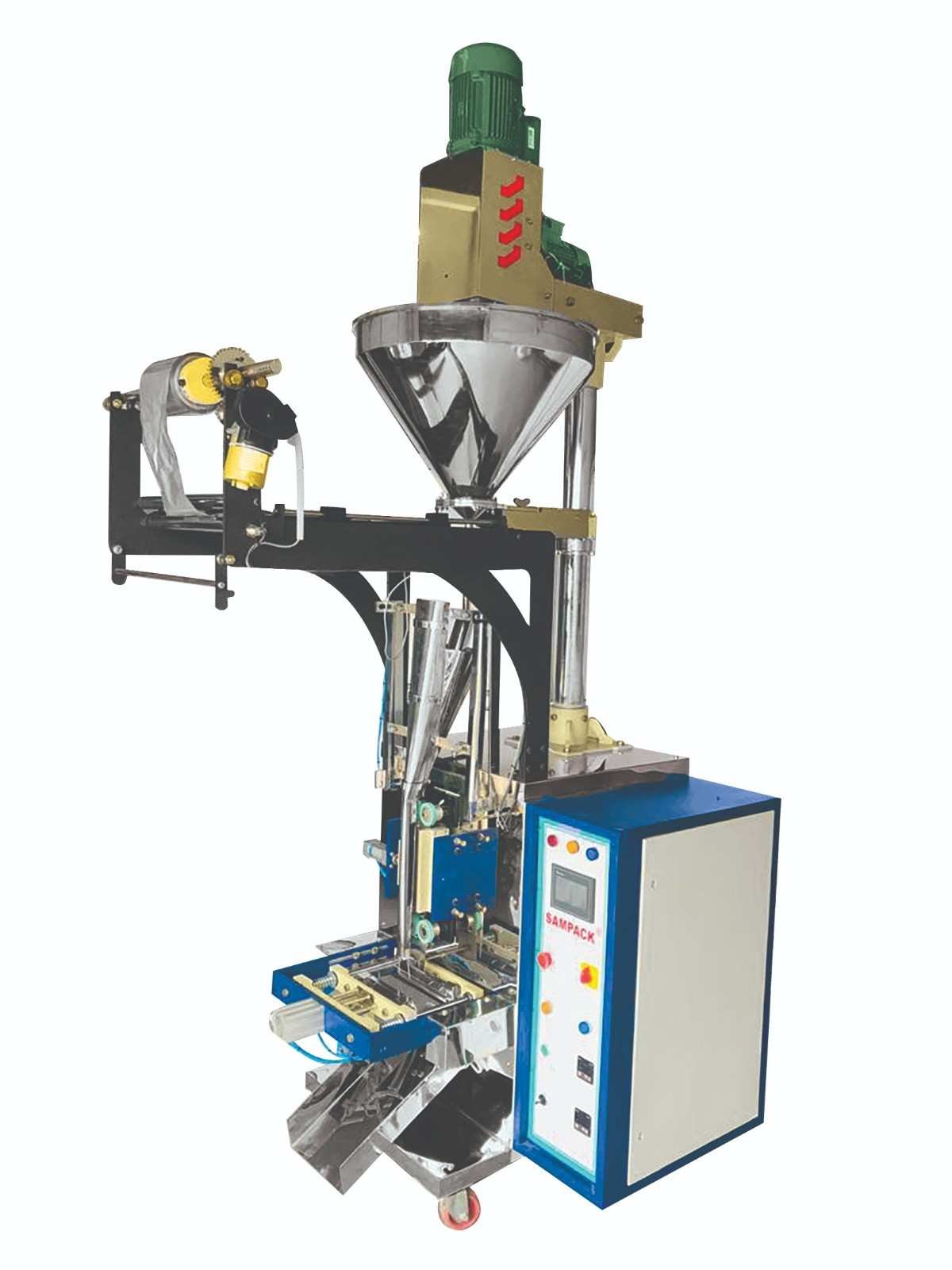
High-Speed Servo HFFS Flow Wrapper
Multi-axis PLC control with touch-screen HMI. Ideal for solid confectionery, biscuits, medical kits, and bakery items requiring precise optical eye registration.
Inquire Now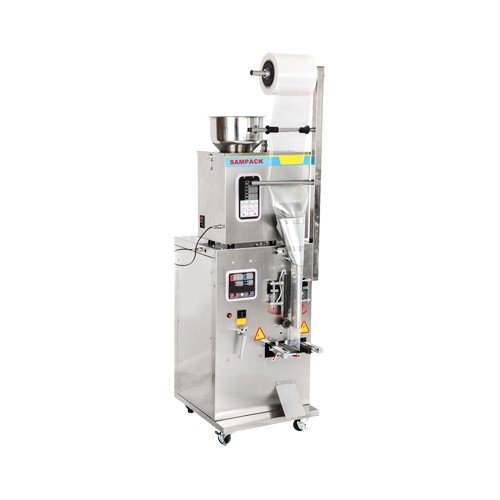
Compact HFFS Pouch Machine
Designed for small-to-medium enterprise footprint optimization. Handles variable pouch sizes with minimal changeover downtime and low energy consumption.
Inquire Now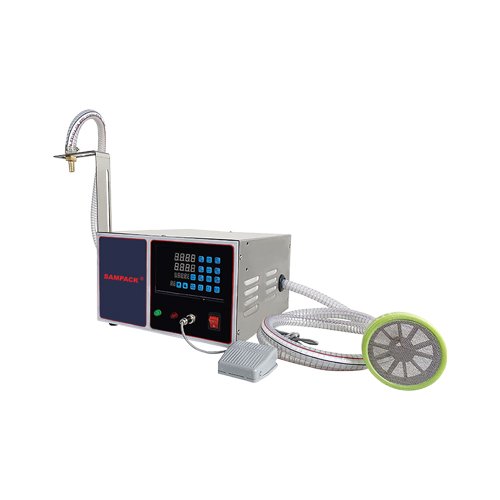
Box-Motion Heavy-Duty HFFS Machine
Equipped with extended dwell-time box motion sealing jaws and integrated MAP nitrogen flushing for high-barrier food packaging applications.
Inquire NowTechnical Comparison: HFFS vs. VFFS vs. Premade Pouch Machines
Selecting the optimal automated packaging machinery requires a granular understanding of mechanical trade-offs. The following engineering matrix provides a clear breakdown for procurement evaluation:
| Performance Parameter | Horizontal Form Fill Seal (HFFS) | Vertical Form Fill Seal (VFFS) | Premade Pouch Fill Seal |
|---|---|---|---|
| Primary Product Suitability | Solid items, bakery, trays, medical tools, multipacks | Free-flowing powders, granules, snacks, liquids | High-end liquids, ready-to-eat meals, premium powders |
| Packaging Speed Range | 100 – 400+ packs/min (Servo-driven) | 60 – 180 packs/min | 30 – 90 packs/min |
| Product Handling Dynamics | Horizontal linear conveyor; gentle, non-drop transport | Vertical drop; high friction impact | Robot arm picking; gentle placement |
| Film Material Cost | Lowest (Uses continuous roll stock film) | Lowest (Uses continuous roll stock film) | Higher (Requires pre-converted pouches) |
| MAP / Gas Flushing Efficiency | Exceptional (< 1% oxygen residual with Box Motion) | Moderate (Turbulence during vertical drop) | High (Vacuum chamber integration) |
| Capital Footprint Requirement | Medium to Long linear footprint | Tall vertical height footprint | Compact square footprint |
Future Procurement Trends in HFFS Machinery (2026–2030)
As global environmental regulations tighten and labor markets evolve, the procurement roadmap for Horizontal Form Fill Seal HFFS Machines is undergoing a structural paradigm shift. Factory automation executives must anticipate four macro trends when specifying machinery contracts:
1. Mono-Material & Recyclable Film Processing Capability
Traditional packaging relies on multi-layer laminates (e.g., PET/PE or PET/ALU/PE) that are notoriously difficult to recycle. Modern ESG mandates require switching to mono-material Polyethylene (PE) or Polypropylene (PP) films, as well as bio-based PLA films. However, mono-materials possess narrow thermal sealing windows and tend to stretch under high web tension. Next-generation HFFS machinery engineered by Sampack India solves this via active servo tension feedback systems and digital PID temperature synchronization across sealing jaws, ensuring zero burn-through and hermetic seal strength.
2. Industry 4.0 IoT Integration & Predictive Maintenance
Modern HFFS systems are no longer isolated mechanical islands. Advanced units feature OPC-UA protocol connectivity, allowing real-time telemetry transfer to factory Execution Systems (MES) and Cloud ERPs. Embedded vibration, heat, and current sensors monitor servo motor health, predicting bearing wear or heating element failure weeks before line stoppage occurs.
3. Vision-Guided Robotics & Automated Infeed Pick-and-Place
Manual loading of delicate bakery products, chocolates, or fresh meat trays creates hygiene risks and limits line velocity. The current procurement standard favors HFFS lines integrated with high-speed delta robots and 2D/3D vision sensors that automatically index, orient, and load products into the HFFS infeed conveyor at sub-millisecond precision.
4. Sanitary Stainless Steel Construction (Hygienic Design)
In response to stringent FDA, EHEDG, and European food safety guidelines, HFFS machines feature sloped surfaces, IP65/IP66 washdown-rated drive enclosures, and tool-less conveyor belt removal. This reduces daily sanitation cycle times from hours to minutes while eliminating bacterial harbors.
Integrated Packaging Line Solutions: Beyond the HFFS Unit
A high-yield packaging line relies on seamless synchronization between the primary HFFS machine and downstream verification and filling accessories. Sampack India designs complete turnkey solutions including:
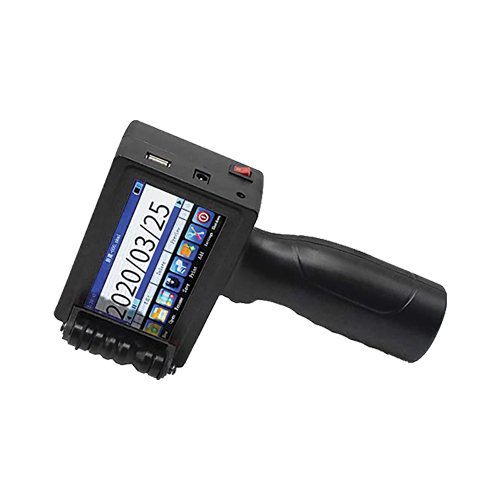
Thermal Inkjet & Ribbon Coding Integration
Inline printing of batch numbers, QR codes, MRP, and manufacturing dates directly onto moving film before forming.
Inquire Now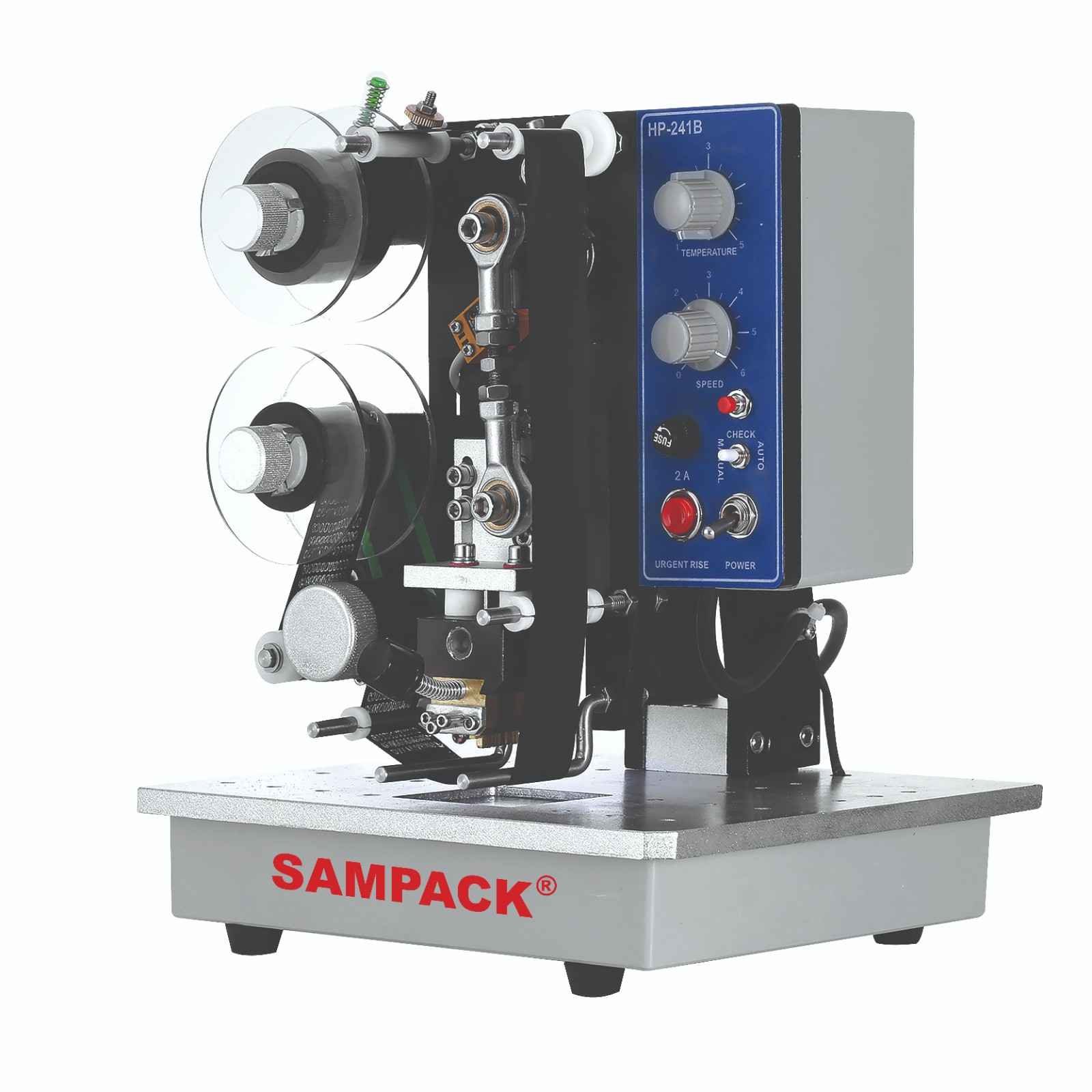
Motorised High-Speed Ribbon Coders
Heavy-duty motorized date coders for rapid, smudge-free printing on flexible plastic and foil packaging films.
Inquire Now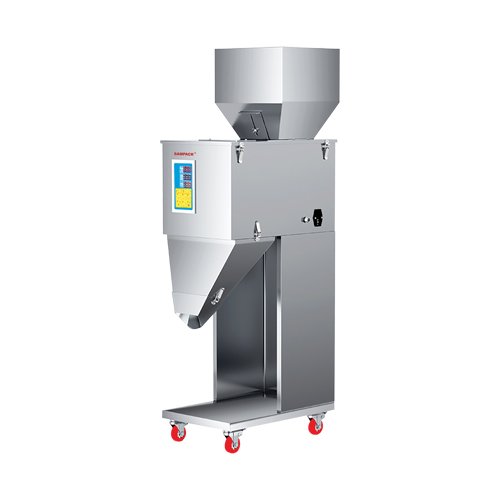
Automated Weighing & Dosing Interfaces
Precision multihead weighers and volumetric dosing units synced directly to HFFS horizontal pouch stations.
Inquire NowTotal Cost of Ownership (TCO) & ROI Calculation Framework
When presenting a capital expenditure (CapEx) proposal to executive management for a new Horizontal Form Fill Seal HFFS Machine, focusing solely on the initial machine purchase price leads to inaccurate ROI projections. A comprehensive TCO evaluation incorporates:
- Direct Labor Savings: Replacing manual wrapping lines with a single 200-pack/min servo HFFS machine typically reallocates 4 to 8 operators per shift to higher-value operational tasks.
- Film Material Yield: Precision servo film indexing and registration sensors reduce scrap rate from typical industry averages of 3.5% down to under 0.5%.
- Energy Efficiency: Modern multi-axis servo drives consume up to 30% less electricity compared to legacy mechanical chain-and-sprocket drive systems.
- Preventative Maintenance Latency: High-grade stainless steel components (SS304/SS316) combined with Schneider/Delta/Siemens PLC electronics minimize unscheduled downtime.
Engineering Evolution: How HFFS Machinery Has Advanced
Historically, horizontal packaging machinery relied heavily on mechanical cams, line shafts, and manual hand-crank adjustments. Changing package length or film tension required extensive mechanical retooling, leading to hours of lost production time. Today, the technological trajectory of HFFS machines designed by Sampack India centers on electronic axis synchronization. Independent servo motors directly drive the infeed conveyor, film drive rollers, longitudinal seal wheels, and rotary cross-cut jaws. This mechanical simplification eliminates wear-prone drive chains, reduces operating acoustic noise, and allows recipe-based touchscreen parameter adjustments in under 60 seconds.
Require Custom HFFS Machine Specifications for Your Factory?
Speak directly with Sampack India's senior packaging system engineers. We custom design HFFS machines tailored to your exact film type, product dimensions, and speed requirements.
Inquire Now